Gut Health Foods: A Realistic Plan For Daily Eating
By:Author:Blood Diet Editorial
Updated on:October 18, 2026
- What a Day of Gut-Friendly Eating Actually Looks Like
- How Many Gut Health Foods Should You Eat Each Day
- Why Everyday Food Variety Beats a Single Supplement
- Fitting Gut Health Foods Into a Working Week
- Who This Approach Suits and How to Adjust It
- When Eating This Way Starts to Feel Normal
- Making Gut-Friendly Eating Easier With Blood Diet
- Starting Your Own Gut Health Plate This Week
Gut health foods are simply the fibre-rich, fermented and varied plant foods that feed the bacteria living in your digestive tract. There's no single miracle ingredient here - it's the mix and the repetition that matters.
The mechanism is straightforward: the bacteria in your gut break down fibre you can't digest yourself, and in return they produce compounds that support digestion and how you feel day to day. Feed them a narrow diet and the mix shrinks; feed them variety and it tends to stay fuller.
This guide covers what a realistic day of eating looks like, how often to include these foods, why variety beats any single supplement, and how to fit it all into a week that's already busy.
What a Day of Gut-Friendly Eating Actually Looks Like
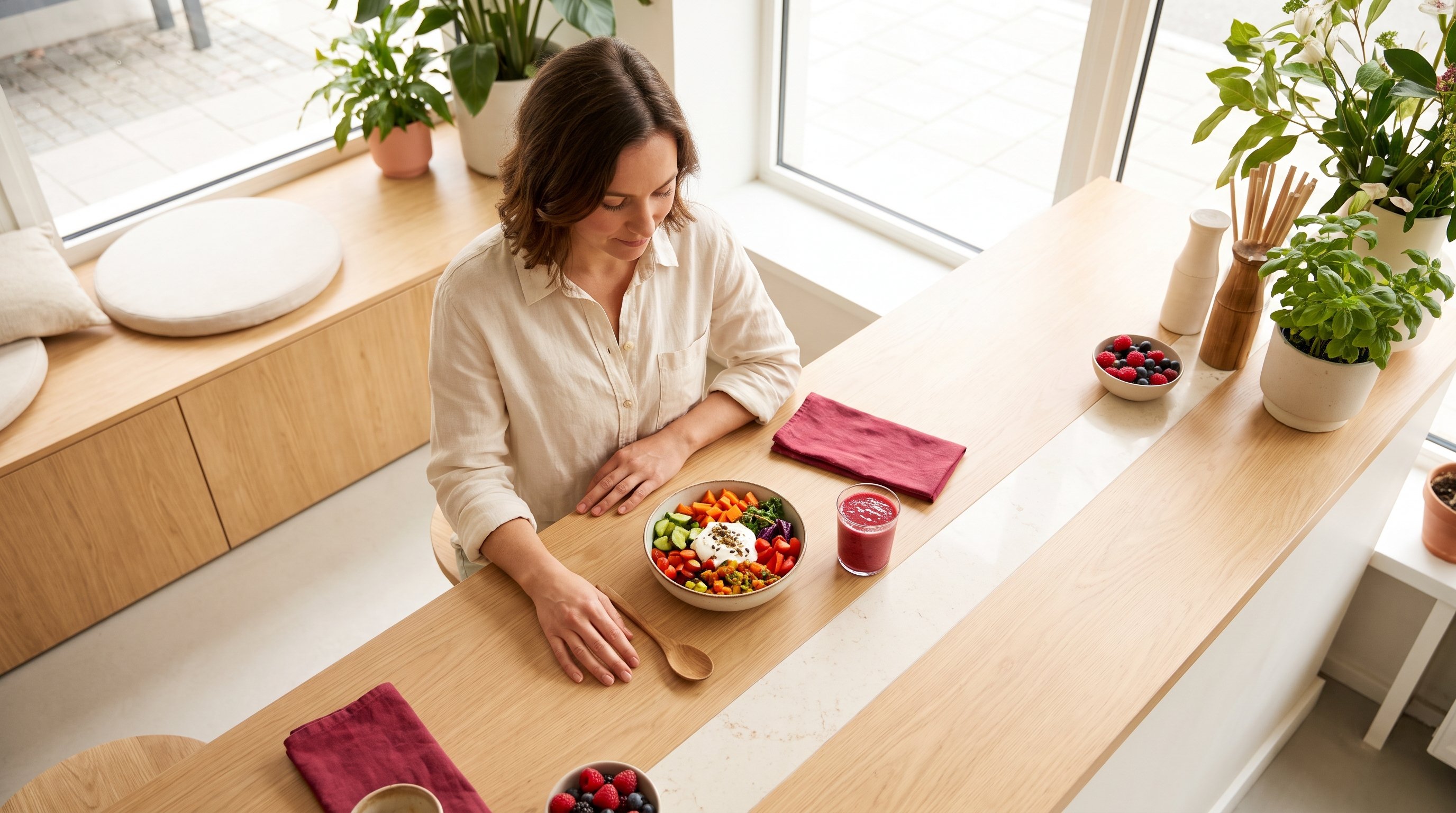
You don't need a special shopping list to eat this way. Most of it comes down to swapping refined versions of foods for whole ones and adding a fermented food somewhere in the day.
A Sample Day
- Breakfast - oats with berries and a spoon of plain yoghurt
- Lunch - mixed bean salad with leafy greens and olive oil
- Snack - a piece of fruit and a small handful of nuts
- Dinner - vegetable stir-fry with brown rice and a side of kimchi or sauerkraut
- Evening - herbal tea, maybe a square of dark chocolate
Nothing on that list is exotic or expensive. It's the combination of fibre sources plus one fermented food that does the work, not any single item on its own.
How Many Gut Health Foods Should You Eat Each Day
Aim for Variety Over Volume
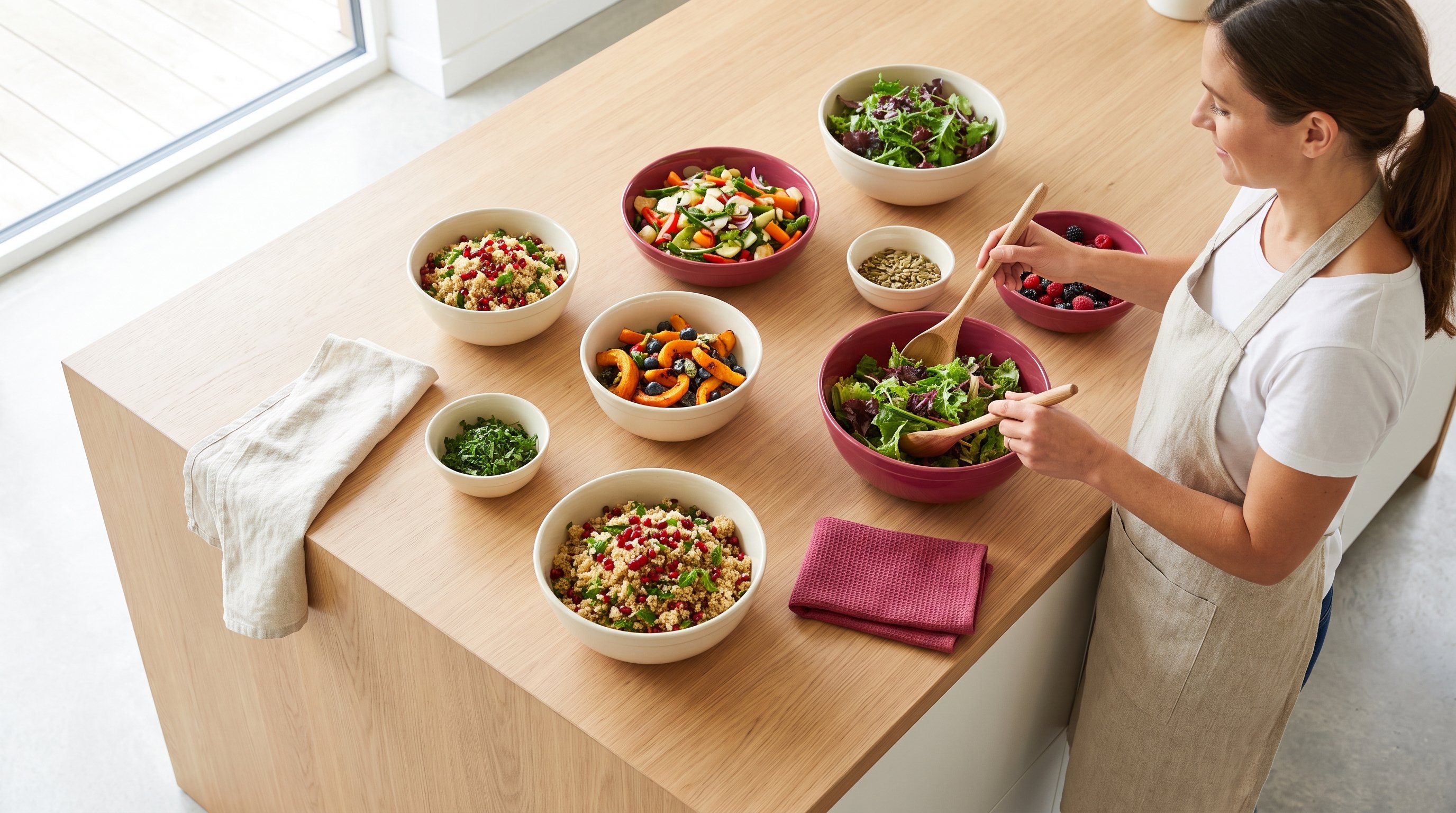
Rather than chasing a precise gram target, aim to include a few different plant foods at most meals - different colours, different textures, different plant families.
| Food Group | How Often | Example |
|---|---|---|
| Fibre-rich vegetables | Most meals | Broccoli, spinach, carrots |
| Legumes | 4 to 5 times weekly | Lentils, chickpeas, beans |
| Fermented foods | Once daily | Yoghurt, kefir, sauerkraut |
| Whole grains | Most days | Oats, brown rice, barley |
| Nuts and seeds | A small handful daily | Walnuts, flaxseed, chia |
These are starting points, not rules carved in stone. The point is a plate that rotates between food groups instead of leaning on the same two or three items every day.
Why Everyday Food Variety Beats a Single Supplement
A probiotic capsule delivers a handful of strains once a day. A plate with beans, greens, oats and a fermented side delivers fibre and live cultures together, repeated across every meal of the week.
The capsule is easy to swallow and easy to forget why you're taking it. The plate is harder to plan the first few times but becomes a habit once a few go-to combinations are in rotation, which is exactly why it tends to stick longer.
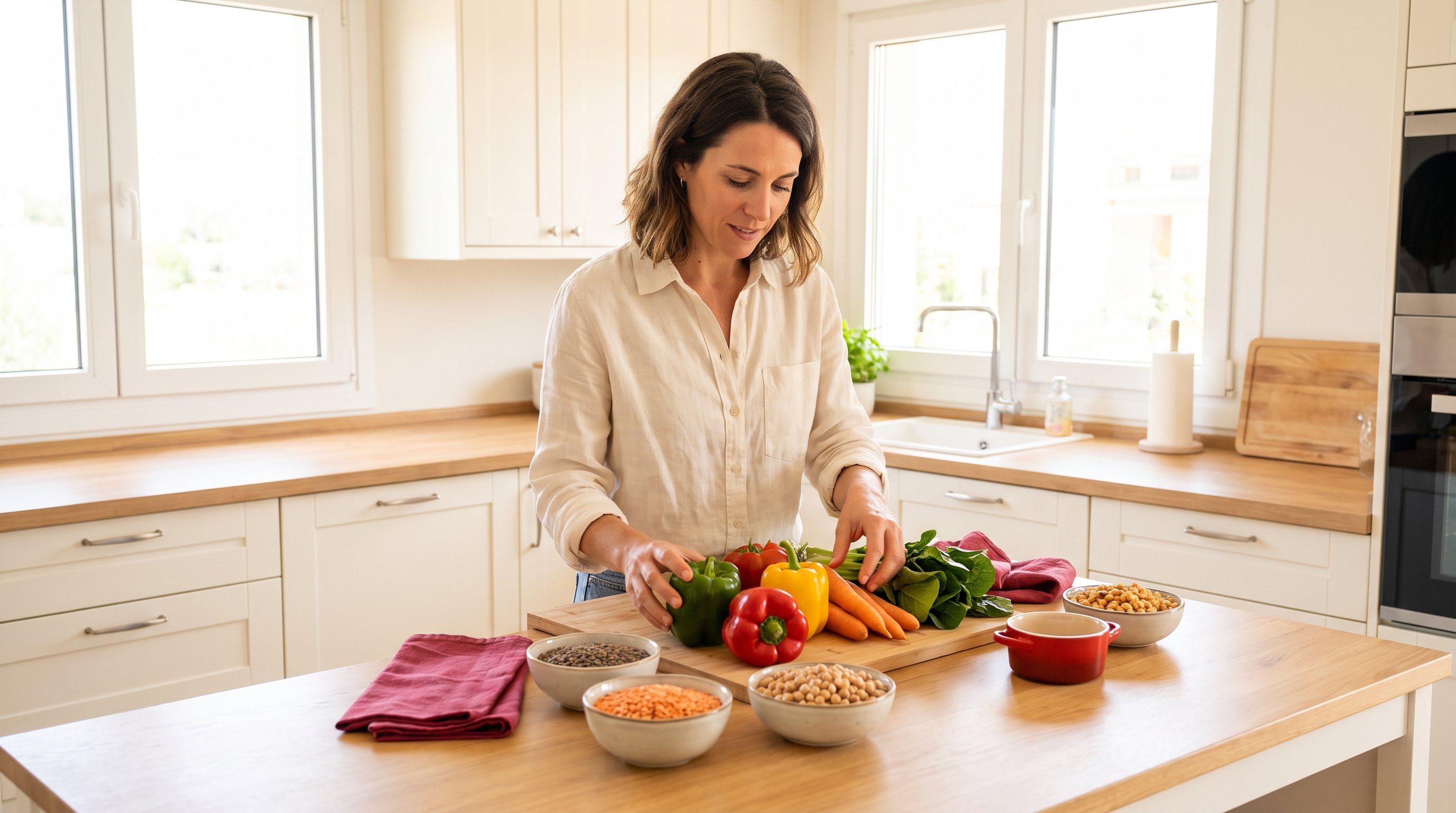
Neither approach is wrong, but food gives you fibre, fermented cultures and other nutrients in one go, while a supplement only ever covers one piece of that picture.
Fitting Gut Health Foods Into a Working Week
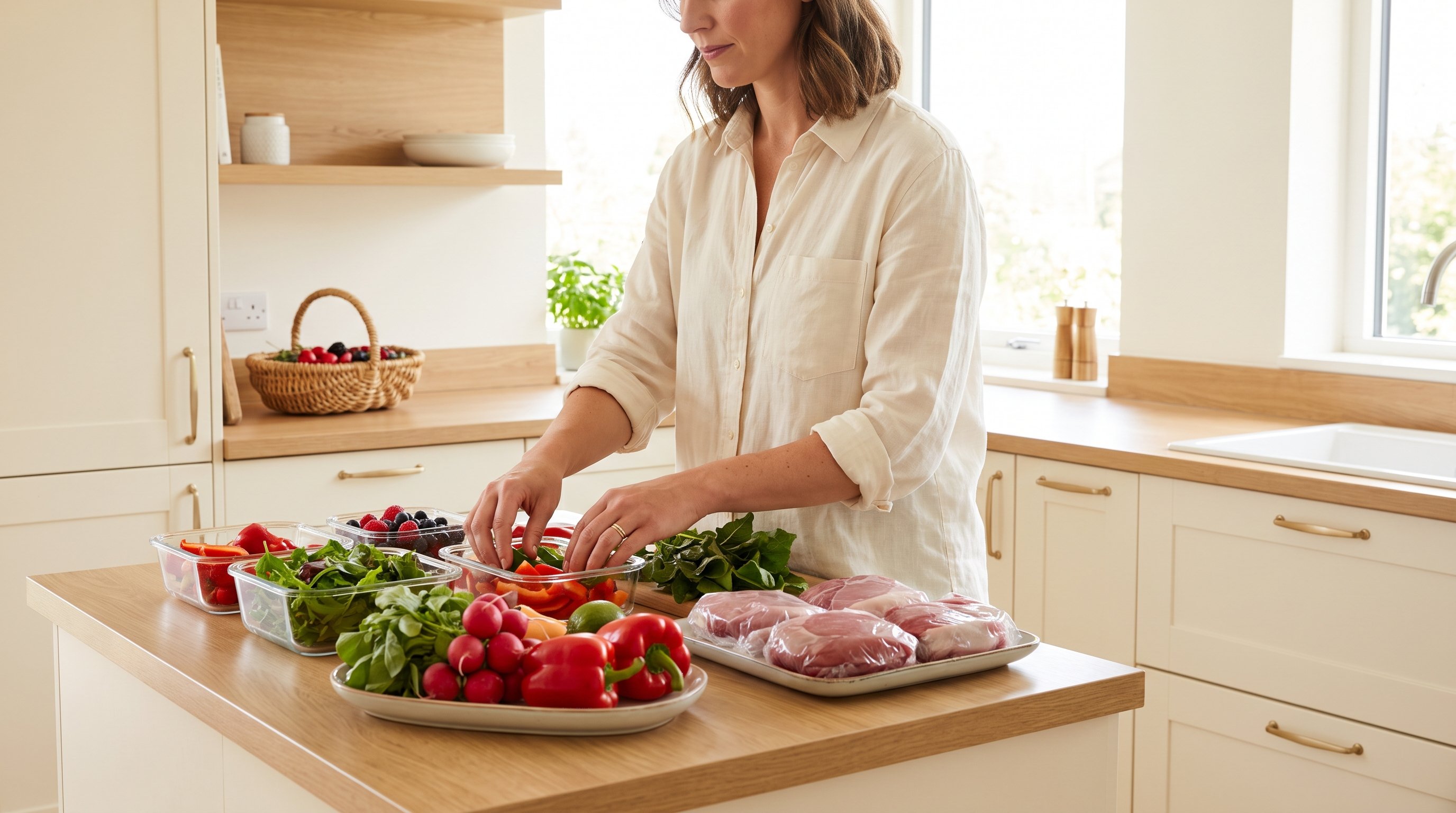
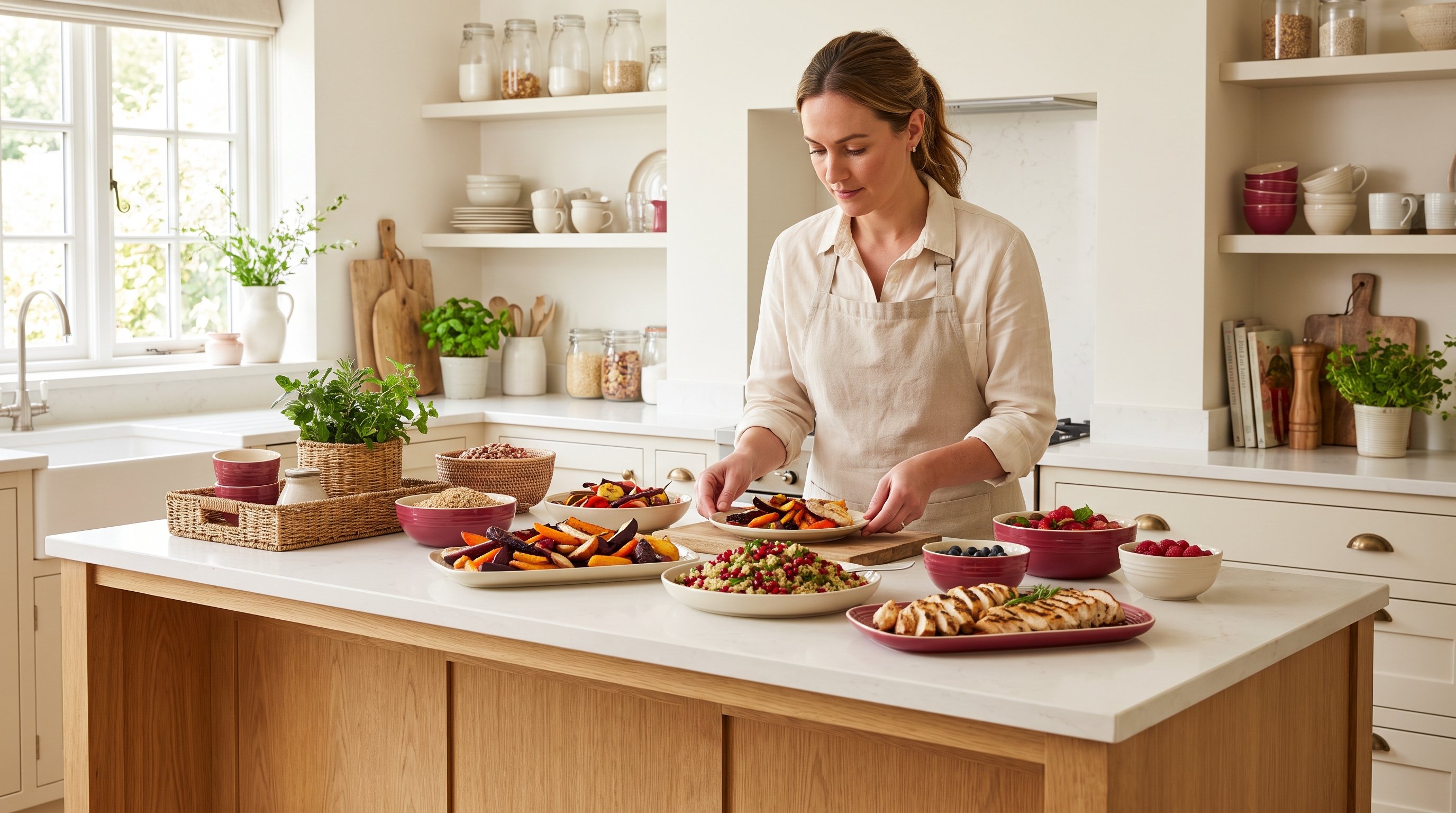
Most weeks don't leave room for three fresh meals a day from scratch, and that's fine. Batch-cooked grains, pre-washed greens and a jar of fermented vegetables in the fridge cover most of the gaps without extra effort each evening.
A meal plan built around food you already like makes this easier to hold onto, which is where Blood Diet comes in - its recipe library leans on whole foods and simple swaps rather than asking you to overhaul your kitchen.
Keeping water intake and meals logged in one place also makes it easier to notice when a week has drifted away from vegetables and fibre, so you can course-correct before it becomes a pattern.
Who This Approach Suits and How to Adjust It
If You're New to Eating This Way
Start by adding one extra vegetable to dinner and one fermented food during the day, rather than rebuilding every meal at once. Small additions are easier to keep than a full overhaul.
If You're Short on Time
Lean on frozen vegetables, tinned beans and pre-made yoghurt rather than anything that needs long preparation. These hold their fibre and nutrients just as well as fresh versions bought that morning.
If You're Older or Managing a Sensitive Stomach
Increase fibre gradually rather than all at once, since a sudden jump can feel uncomfortable before the gut adjusts. Pairing new fibre sources with plenty of water tends to make the transition smoother.
If You're Cooking for a Family
Build meals around a base that everyone eats - rice, pasta, a stir-fry - and add the fermented or fibre-rich extras as sides people can opt into. This avoids turning dinner into a negotiation.
When Eating This Way Starts to Feel Normal
There's no fixed point where gut-friendly eating suddenly clicks - it tends to be gradual, and it's easy to give up in the first couple of weeks when nothing feels different yet.
The shift usually isn't dramatic. It's more that reaching for a vegetable or a fermented side stops being a decision and starts being what's already in the fridge.
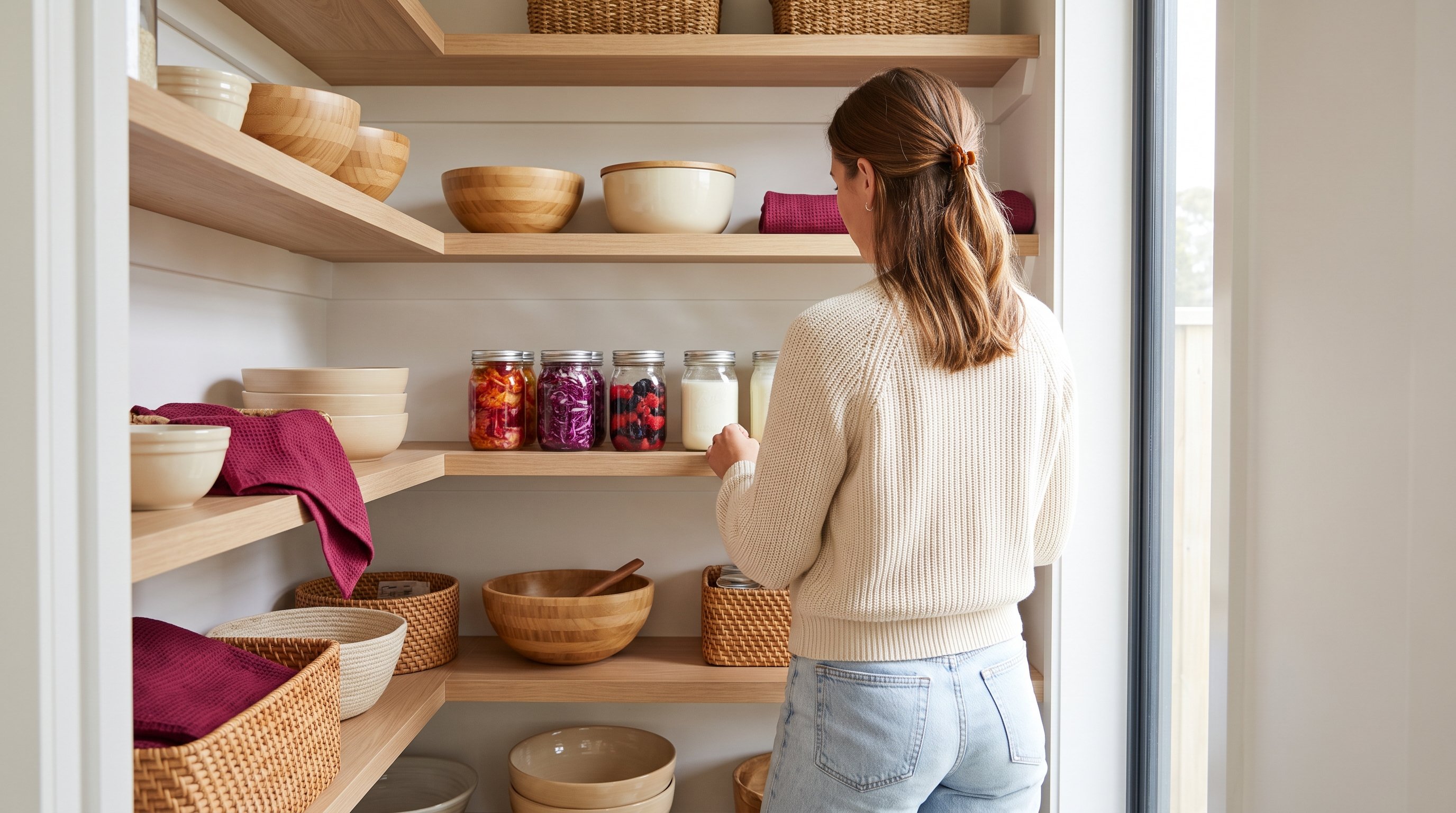
Staying patient through the early weeks, when the routine still feels like effort, is usually what separates people who keep it going from those who drop it after one busy fortnight.
Making Gut-Friendly Eating Easier With Blood Diet
Planning a varied plate every single day is the part that wears people down, not the eating itself. Blood Diet handles the planning side with over 1,000 blood type-based recipes, so meals rotate through different vegetables, grains and fermented options without you having to design the week from scratch.
The app's nutrition and health guides add context on why variety matters, while the progress tracker keeps water, weight and daily habits visible in one place - useful for noticing patterns before they turn into a stalled week.
None of this replaces a varied plate, but it does remove the guesswork of what to put on it, which is often the real barrier to keeping a habit going.
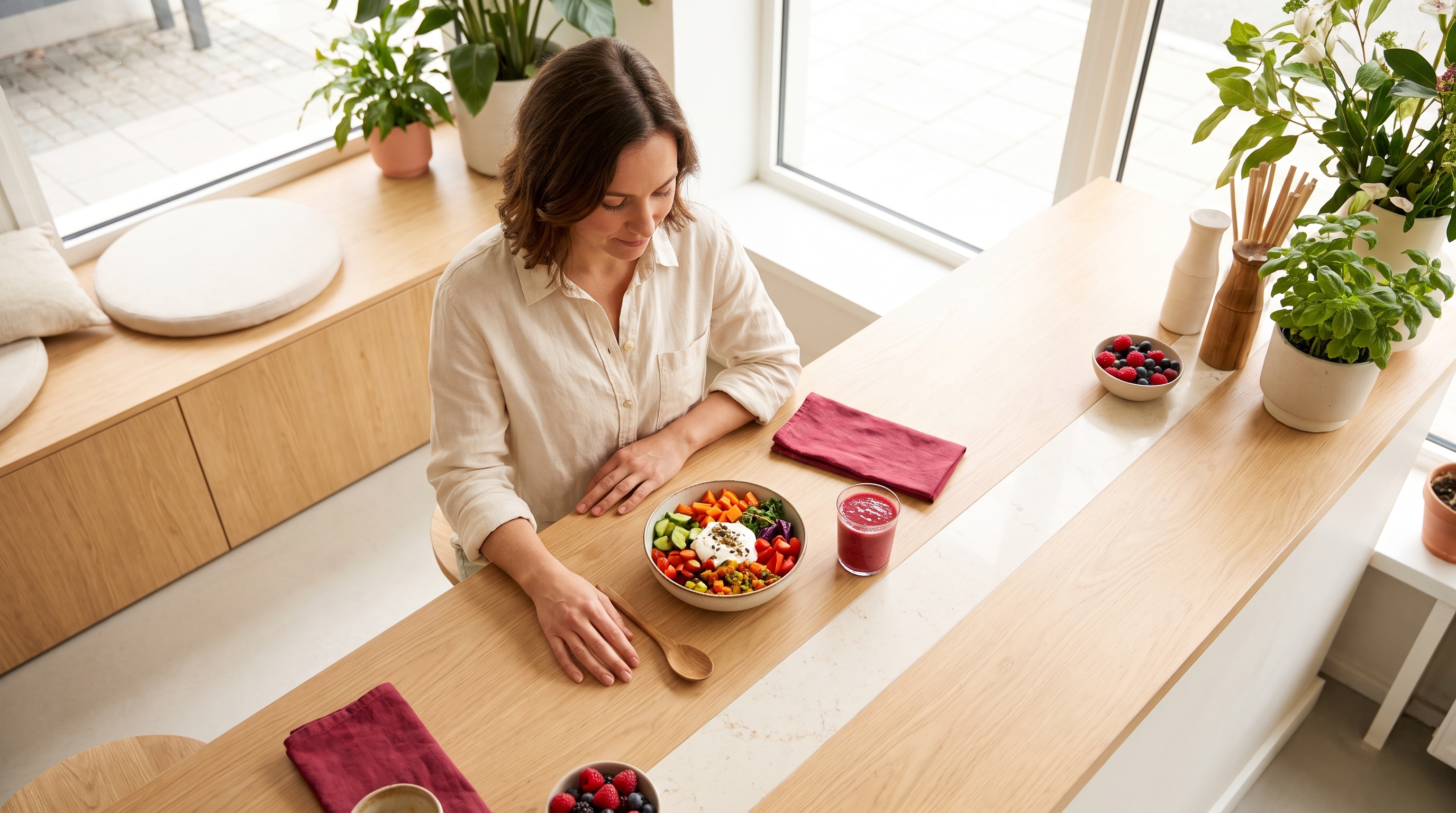
Eat Clean Every Day
Natural Weight Loss Plan
Starting Your Own Gut Health Plate This Week
Pick one meal today and add a vegetable, a legume or a fermented food you don't usually include. That single swap, repeated daily, builds the variety that matters more than any one ingredient.
Blood Diet's recipe library and tracker can take the planning off your plate so the habit has a better chance of lasting past the first week.
FAQ
They support a varied, fibre-rich diet that tends to be filling and lower in refined carbohydrates, which can make a calorie deficit easier to hold. No single food reduces weight on its own.
A supplement is simpler to take but only covers one part of the picture, since whole foods bring fibre and other nutrients alongside live cultures. Food-first approaches tend to cover more ground for the same effort.
Plain yoghurt and tinned sauerkraut are widely available and count, so you don't need anything specialist. Fibre-rich vegetables and legumes still do most of the work even without a fermented food every day.
Running out of ready-to-eat options midweek is the most common reason, since that's when people default back to convenience food. Blood Diet's meal plans and recipe variety are built to reduce that midweek drop-off by keeping options ready in advance.
Share this post