Clean Eating Meal Plan: A Realistic Way To Start Eating Better
By:Author:Blood Diet Editorial
Updated on:October 18, 2026
- Setting Up Your Own Clean Eating Meal Plan
- How Much Clean Food Actually Belongs on Your Plate
- Fitting Clean Eating Into a Week That's Already Full
- A Four-Week Structure for Easing Into Clean Eating
- When Eating Clean Stops Feeling Like an Effort
- Mistakes That Quietly Derail a Clean Eating Plan
- Making a Clean Eating Meal Plan Easier With Blood Diet
- Starting Your Own Clean Eating Week Today
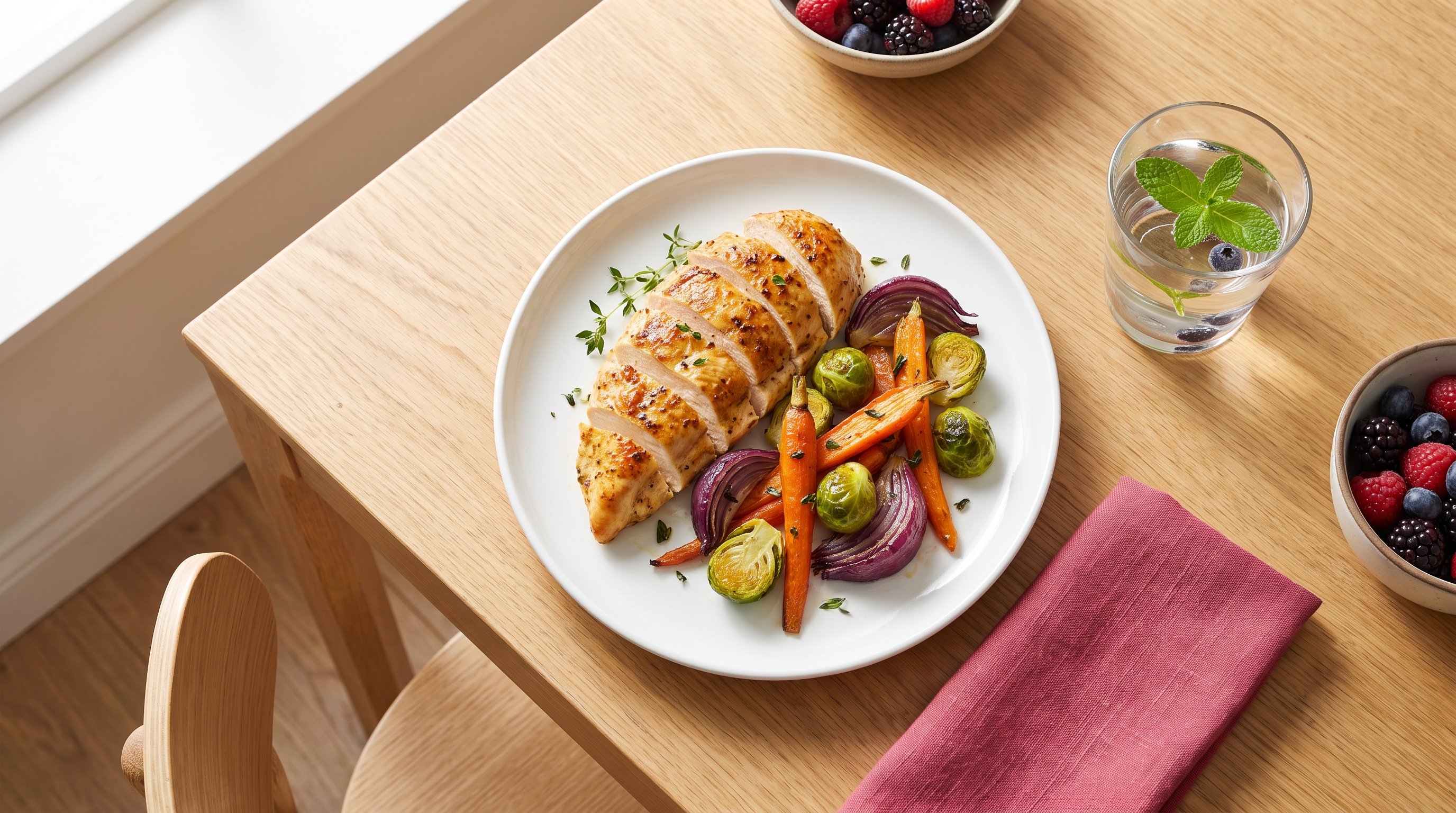
A clean eating meal plan just means building most meals around food close to its natural state - vegetables, fruit, whole grains, lean protein - and cutting back on heavily processed stuff. It works because minimally processed food tends to fill you up on fewer calories, which makes a deficit easier to hold without constant hunger.
The mechanism is simple: fibre and protein slow digestion, water content in whole food adds volume without adding much energy, and fewer processed snacks means fewer easy places to overeat without noticing.
This guide covers the steps to set one up, how much to actually eat, a sample week, where people usually quit, and how to keep it going past the first month.
Setting Up Your Own Clean Eating Meal Plan
Starting a clean eating meal plan doesn't need a full pantry overhaul on day one. A few deliberate steps make it stick better than an all-or-nothing switch.

Steps to Build the Plan
- Pick your anchor meals - choose two or three meals you already eat often and swap one processed element for a whole-food one.
- Write a short shopping list - vegetables, fruit, a protein source, a whole grain, and a healthy fat, repeated across the week.
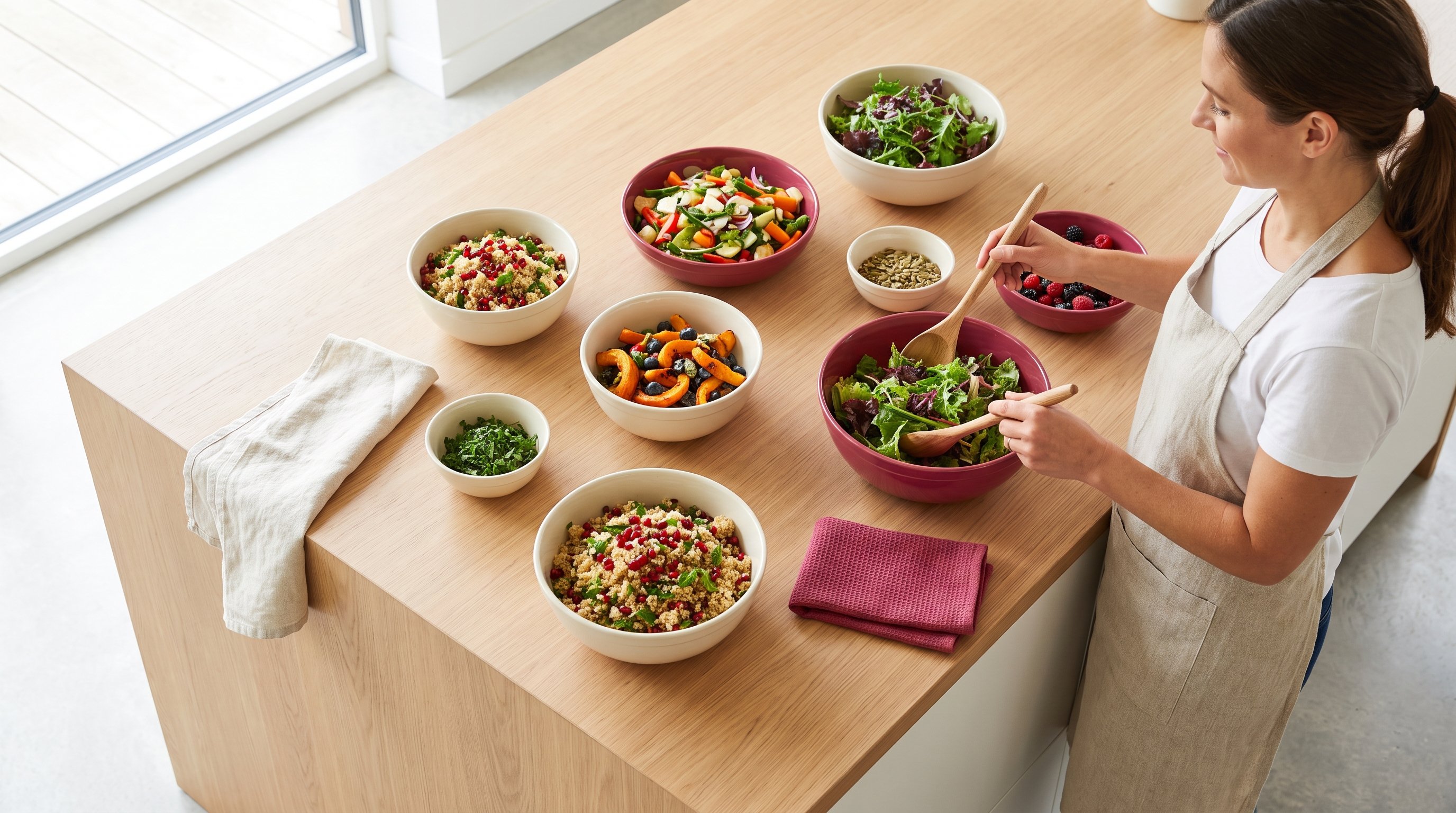
- Cook once, eat twice - make extra portions at dinner so lunch the next day is already sorted.
- Keep one processed convenience item - a jarred sauce or frozen vegetable mix is fine; perfection isn't the goal.
- Plan for one meal out - decide in advance what you'll order so eating out doesn't derail the week.
- Review after seven days - note what you actually ate versus what you planned, then adjust.
None of these steps require special ingredients or a strict rulebook, just a repeatable rhythm.
How Much Clean Food Actually Belongs on Your Plate
A Simple Plate Guide
There's no single magic ratio, but a rough plate split gives you something concrete to aim for at each meal.
| Plate Section | Rough Portion |
|---|---|
| Vegetables and fruit | Half the plate |
| Protein source | Quarter of the plate |
| Whole grains or starch | Quarter of the plate |
| Healthy fat | A thumb-sized amount |
| Processed extras | Occasional, not daily |
This isn't a rule to measure with scales, it's a visual check you can run at a glance before you eat.
Fitting Clean Eating Into a Week That's Already Full
The plate guide above only works if the food is actually there when you're hungry, which is where most plans quietly fail.
Busy mornings, long commutes and tired evenings all push people back toward whatever's fastest, and that's rarely the whole-food option.

This is where having a meal plan built around food you already like matters more than any ingredient list - Blood Diet gives you recipes and a tailored nutrition plan so the clean options are already decided before the week gets hectic.
Pairing that with simple tracking for water, weight and steps means you're not guessing whether the week is actually working.
A Four-Week Structure for Easing Into Clean Eating
The order of changes matters more than rushing to perfect every meal at once.
| Stage | Main Focus |
|---|---|
| Week 1 | Swap one processed meal daily for whole food |
| Week 2 | Add a vegetable or fruit to every meal |
| Week 3 | Batch cook two meals ahead each week |
| Week 4 | Review and keep only what fits your week |
By week four, you're not following a rigid script anymore, you're keeping the habits that actually worked for your schedule.
When Eating Clean Stops Feeling Like an Effort
Early on, every meal choice feels like a decision, which is tiring even when the food itself is simple.
That mental load tends to ease once the shopping list and the few go-to meals become automatic rather than something you have to think through each time.
There's no fixed point where it suddenly clicks, and expecting one is usually where frustration creeps in - it's more of a gradual shift from effortful to routine.
Sticking with the plate guide and the weekly rhythm, rather than chasing a specific result by a specific date, is what keeps people going long enough to notice the shift at all.
Mistakes That Quietly Derail a Clean Eating Plan
Treating Processed Food As Forbidden.
Labelling foods as off-limits tends to backfire and make them more tempting; aim for mostly whole food with room for exceptions instead.
Skipping Meals to Compensate.
Going hungry to save calories for later usually ends in overeating; keep regular meals and let the plate guide do the work.
Shopping Without a List.
Walking into a shop hungry and unplanned leads straight back to convenience food; a short weekly list fixes this fast.
Chasing Variety Too Early.
Trying a new recipe every night is exhausting to sustain; repeat a handful of meals you actually enjoy instead.
Ignoring Drinks and Snacks.
Sugary drinks and grazing often undo a clean plate without anyone noticing; they count just as much as the main meals.
Making a Clean Eating Meal Plan Easier With Blood Diet
Deciding what to eat every single day is the part that wears people down, not the eating itself.
Blood Diet takes that decision off your plate - literally - with over 1,000 recipes built into a tailored nutrition plan, so clean meals are already chosen before the week starts.
The app also pairs this with light workouts, guided meditations and progress tracking for steps, water and weight, so the eating side of things isn't working in isolation.
Motivating challenges keep the whole thing from feeling like a solo effort you have to will yourself through every day.
Eat Clean Every Day
Natural Weight Loss Plan
Starting Your Own Clean Eating Week Today
The simplest way to start is picking one meal today and swapping a processed element for a whole-food one, nothing more dramatic than that.
Build from there one meal at a time, and let a tool like Blood Diet handle the recipe planning while you focus on just showing up to the plate.
FAQ
It can support a deficit because whole foods tend to fill you up on fewer calories, but the deficit itself still comes from eating less than you burn. There's no figure or timeframe that applies to everyone, since it depends on your starting point and consistency.
No, it's about shifting the balance toward whole food, not banning carbs, fat or any other group outright. Cutting out entire groups tends to be harder to sustain and isn't necessary to eat this way.
Batch cooking two or three meals once a week covers most of the gap, and keeping one or two quick whole-food options on hand covers the rest. A ready-made meal plan, like the one inside Blood Diet, removes the daily planning step entirely.
It usually fades when every meal still feels like a decision rather than a routine, which is mentally tiring over time. Repeating a small set of meals and tracking progress instead of perfection tends to keep motivation steadier for longer.
Share this post