Blood Type Diet Food List: What To Eat By Type
By:Author:Blood Diet Editorial
Updated on:October 18, 2026

- Building Your Own Blood Type Diet Food List
- How Much of the Food List You Actually Need Weekly
- Making the Food List Work Around a Full Fridge
- A Four-Week Way to Ease Into the Food List
- When Eating From the List Stops Feeling Like Work
- Mistakes That Undo a Blood Type Food List
- Turning the Food List Into a Plan With Blood Diet
- Picking Your First Five Meals From the List
A blood type diet food list sorts everyday ingredients into groups - meats, grains, vegetables, dairy - based on which blood group is said to handle them best. The short version: type O leans toward lean proteins and vegetables, type A leans plant-forward, type B gets more flexibility across dairy and meat, and type AB sits somewhere between A and B.
The mechanism behind why this helps isn't magic. Having a defined list removes the daily decision of what counts as a good choice, so you stop guessing and start repeating meals that work.
This guide covers what the lists actually contain, how often to shop and cook around them, a four-week way to ease in, and the mistakes that quietly undo the habit before it sticks.
Building Your Own Blood Type Diet Food List
Turning a blood type food list from theory into something you actually eat takes a bit of setup, but it only needs doing once.

Steps to Build a Working List
- Identify your blood group - check old medical records, a donor card, or a past test result before you start sorting anything.
- Write three columns - proteins, carbohydrates, vegetables and fruit, so you're not scanning one long list every time you shop.
- Mark your staples first - the five or six meals you already cook most weeks, then check which ones fit your group without changes.
- Swap, don't delete - where a usual ingredient doesn't fit, find the closest substitute instead of cutting the meal entirely.
- Shop from the list - take it to the shop on your phone or on paper so decisions happen once a week, not every meal.
- Batch two or three meals - cook enough for a few days so the list only has to get used, not relearned, daily.
- Review after two weeks - drop anything you never actually eat and add more of what you keep reaching for.
How Much of the Food List You Actually Need Weekly
You don't need every category stocked at once. Most weeks run fine on a handful of proteins, two or three carbohydrate sources, and whatever vegetables are in season for your group.
A Weekly Shopping Guide
This is a rough split that covers most meals without overbuying or wasting food.
| Category | Weekly Amount | Notes |
|---|---|---|
| Proteins | 3 to 4 types | Rotate to avoid repetition |
| Carbohydrates | 2 to 3 types | Pick ones that fit your group |
| Vegetables | 5 to 6 types | Mix raw and cooked options |
| Fruit | 2 to 3 types | Keep on hand for snacks |
| Dairy or alternatives | 1 to 2 types | Adjust based on your group |
Making the Food List Work Around a Full Fridge
A food list only helps if it survives contact with a real kitchen - one where other people are eating different things, shelves are already stocked, and time is short.
The fix is overlap, not separation. Build meals where most ingredients work for everyone at the table and only the extras change per person - a shared base of vegetables and a protein swap covers most households.
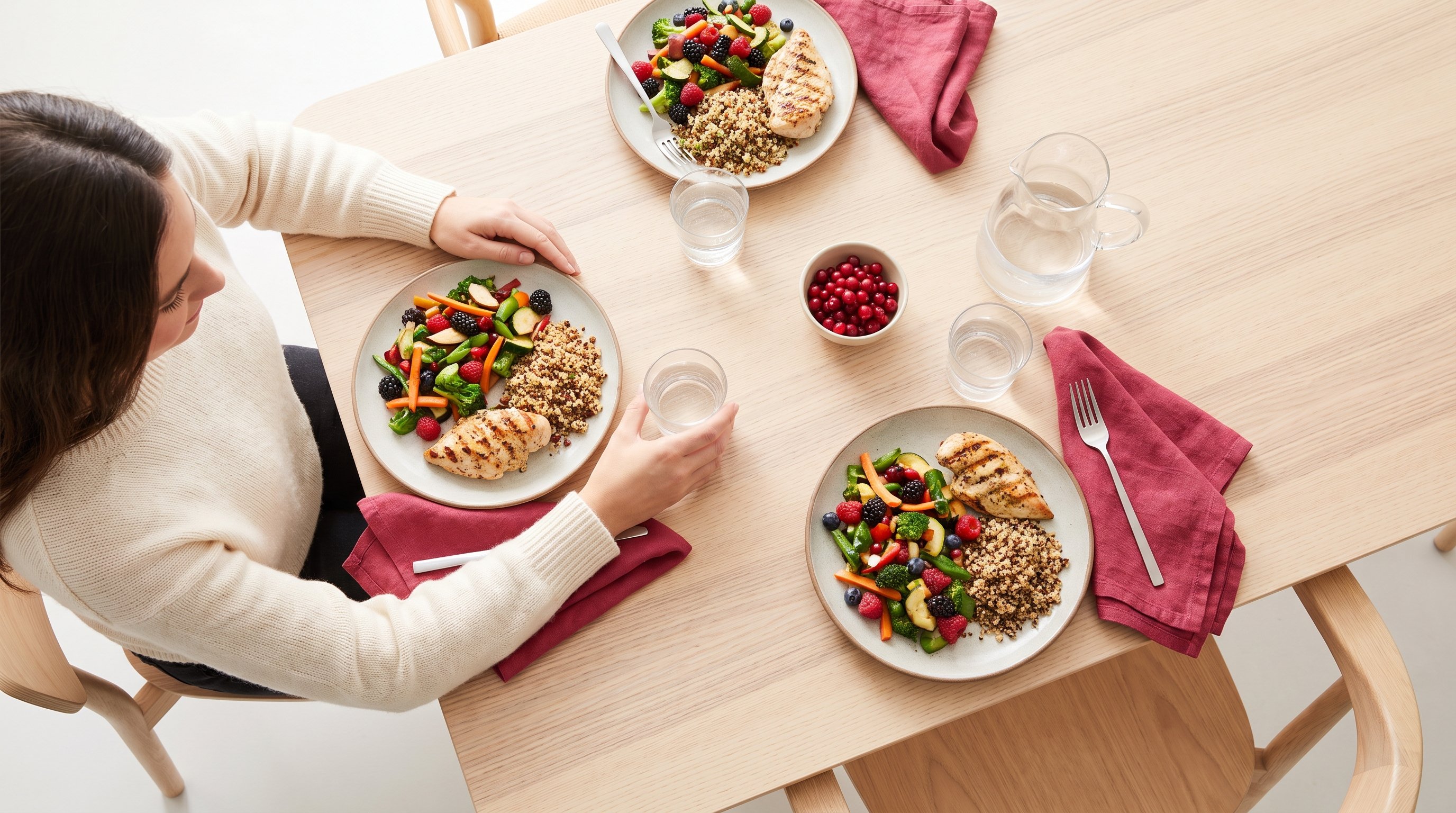
This is where a structured plan earns its keep. Blood Diet builds meals around food you already like, grouped by blood type, so the sorting work described above is already done for you before you open the fridge.
A Four-Week Way to Ease Into the Food List
Starting with the whole list at once is how most people abandon it by week two. A staged approach keeps the early wins coming.
| Stage | Focus | Action |
|---|---|---|
| Week 1 | Sort your usual meals | Mark which already fit your group |
| Week 2 | Swap one meal a day | Replace the worst fit first |
| Week 3 | Batch cook twice | Prep lunches and one dinner ahead |
| Week 4 | Build a repeat rotation | Keep five meals you'll cook again |
When Eating From the List Stops Feeling Like Work
The first couple of weeks take more thought than they will later. You're checking the list, reading labels, working out substitutes.
That slows down once the swaps become automatic - there's no fixed point where it clicks, but most people notice they've stopped checking the list and started just cooking.
Expect a few weeks of consulting the list often before it fades into the background of how you shop and cook.
Mistakes That Undo a Blood Type Food List
Treating the List As All-Or-Nothing
Cutting out every food that isn't on your list overnight is a fast route to giving up - swap one meal at a time instead.
Shopping Without a Plan
Walking into a shop without the list in hand means falling back on old habits - keep it on your phone and check it before you go.
Ignoring What You Actually Like
A perfect list of foods you won't eat is useless - prioritise the overlap between your group's foods and your own preferences.
Cooking Separate Meals for Every Person
This burns out even motivated cooks within a month - build a shared base and adjust the protein or carb per person instead.
Expecting the List to Do All the Work
A food list sets direction but doesn't track portions, water or activity on its own - pair it with some form of daily tracking to see the full picture.
Turning the Food List Into a Plan With Blood Diet
Sorting foods into a list is the easy part. Turning that list into meals you'll actually cook on a Tuesday night is where most people get stuck.
Blood Diet takes the blood type food list and turns it into over 1,000 recipes built for your group, plus progress trackers for steps, water and weight so you're not running two systems at once. It pairs the food side with light workouts and guided meditations, so the eating plan isn't the only thing you're relying on to keep moving forward.

Eat Clean Every Day
Natural Weight Loss Plan
Picking Your First Five Meals From the List
Don't try to overhaul every meal this week. Pick five dishes from your blood type food list that overlap with what you already enjoy, and cook those on repeat until they feel automatic.
From there, the list stops being a reference document and starts being how you already eat - and Blood Diet can take over the recipe-finding part once the habit is in place.
FAQ
Type O lists usually lean on lean meats, fish, and plenty of vegetables, with grains and dairy kept lighter. The exact foods vary by source, so treat any list as a starting point rather than a fixed rulebook.
No - cutting everything out at once is one of the fastest ways to abandon the habit. Swapping meals gradually, one at a time, tends to last longer than an overnight overhaul.
Check old medical paperwork, a blood donor card, or ask about getting tested before building a list around it. Guessing isn't a good starting point since the whole approach depends on sorting food correctly for your group.
A food list gives you direction, but it works best alongside some way of tracking portions and activity day to day. Blood Diet combines the blood type food list with recipes, trackers and light workouts so the eating side isn't carrying the whole plan on its own.
Share this post