Gentle Exercise: A Realistic Way To Move Every Day
By:Author:Blood Diet Editorial
Updated on:October 18, 2026

- What a Realistic Week of Easy Movement Looks Like
- How Often Easy Movement Actually Needs to Happen
- Why Easy Movement Beats Pushing Through Intense Workouts
- Fitting Daily Movement Into a Week Already Full
- Who Easy Movement Suits and How to Adjust It
- Where Most People Give Up on a New Routine
- Making Gentle Exercise Part of Daily Blood Diet Use
- Starting a Routine You Can Actually Keep Going
Moving in low-key, manageable ways on most days does more for long-term results than the odd punishing workout, because you actually keep doing it.
The mechanism is simple: a short walk, a stretch session or a light strength circuit burns a modest amount of energy, but repeated most days of the week it adds up to a meaningful weekly total without wrecking your joints or your motivation.
This article covers what a realistic week looks like, how often to move, why easy beats extreme, and how to fit it all into a life that's already full.
What a Realistic Week of Easy Movement Looks Like
There's no single correct schedule, but a mix of walking, stretching and light strength spread across the week is a solid template most people can copy.
Sample Weekly Routine
- Monday - 20 minute walk plus five minutes of stretching
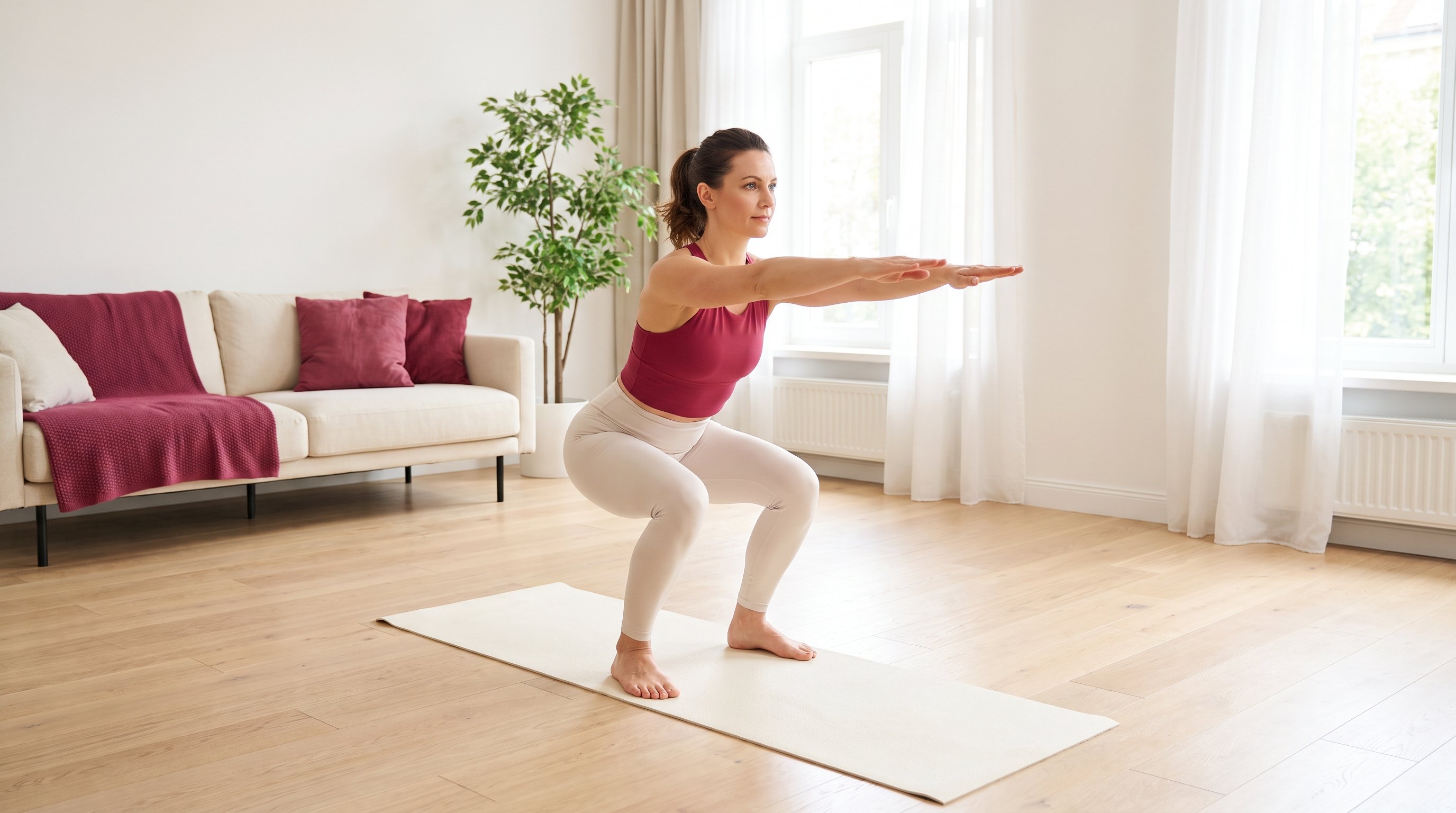
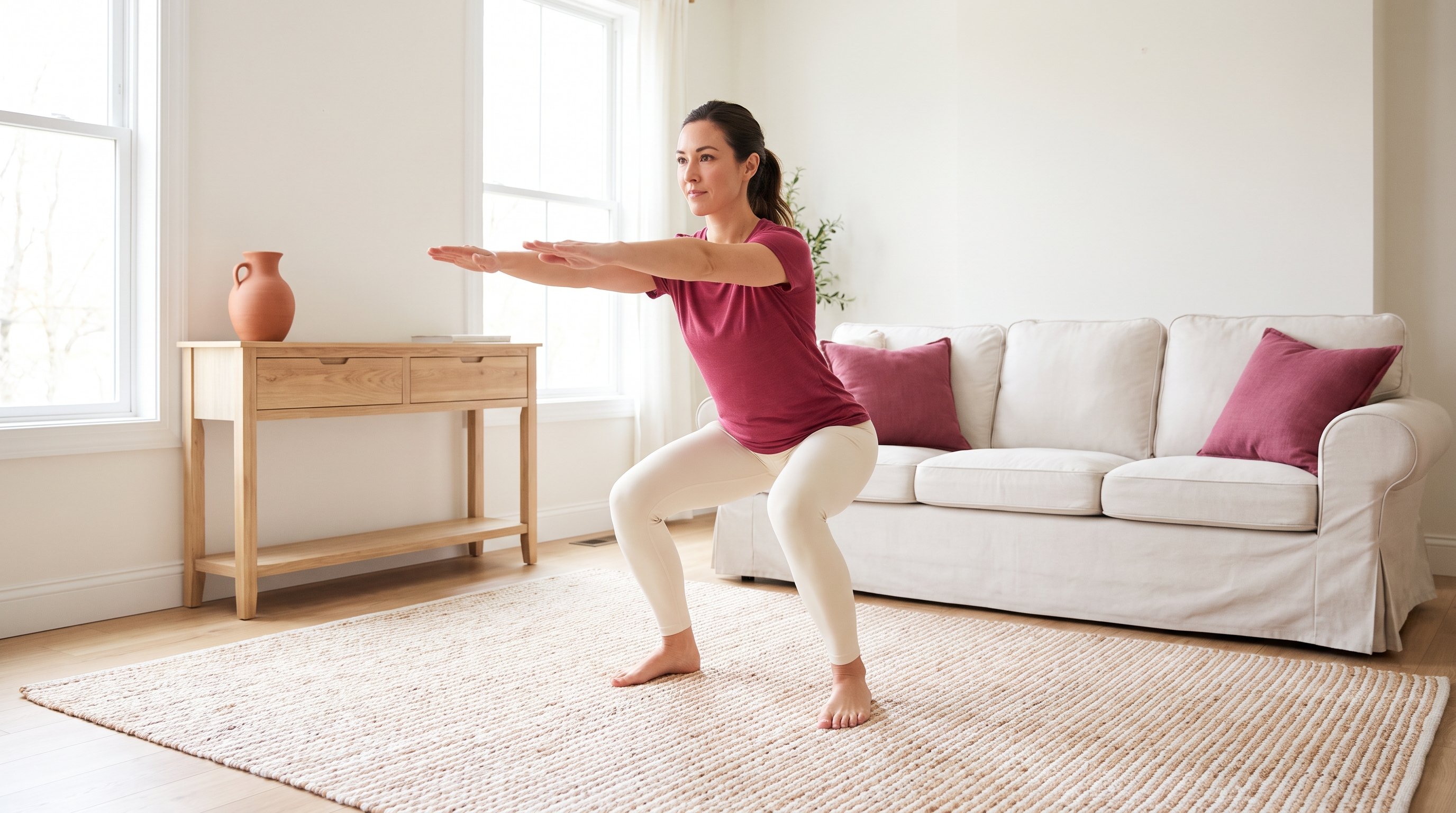
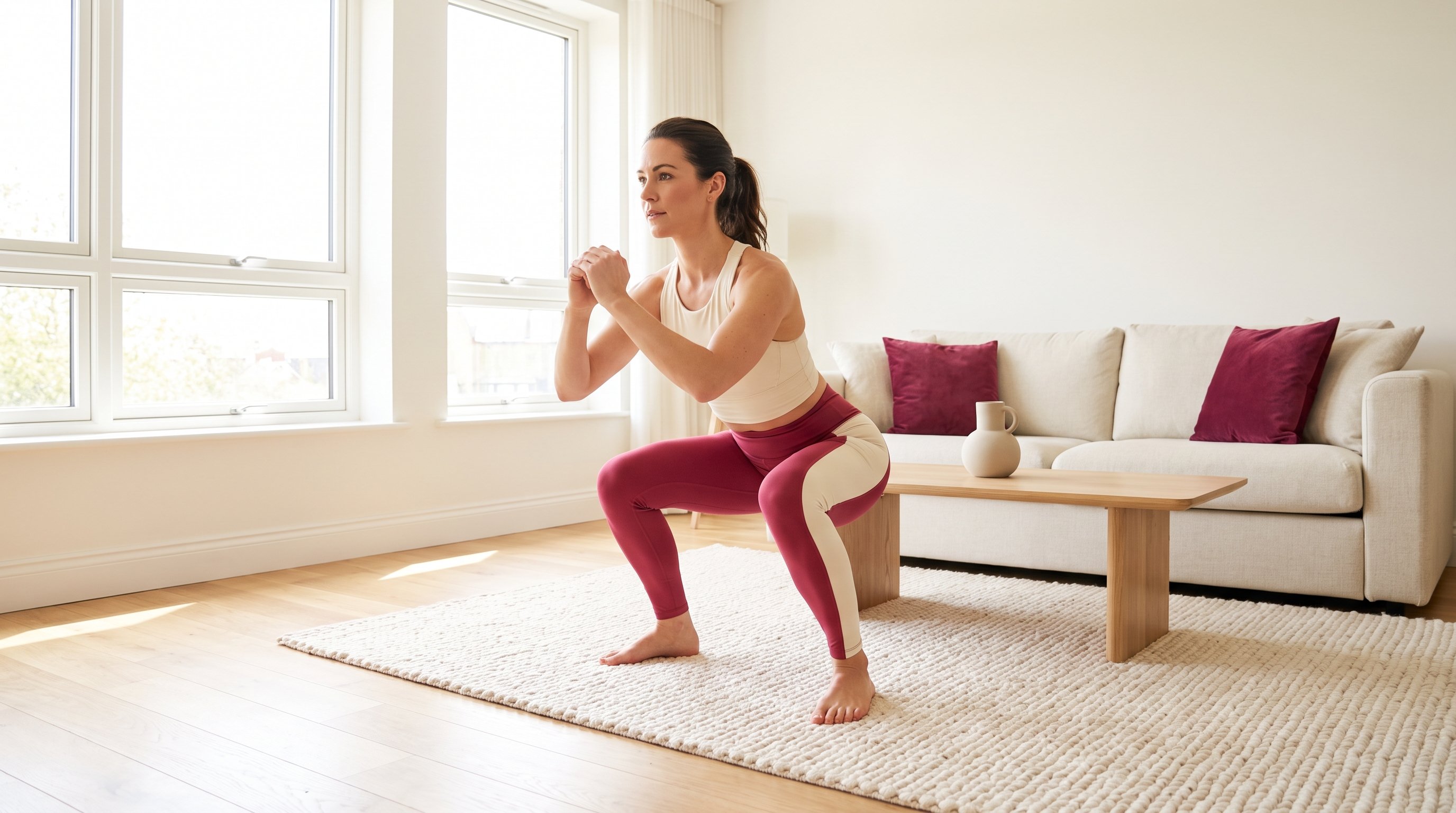
- Tuesday - light bodyweight circuit: squats, wall push-ups, standing marches
- Wednesday - 20 minute walk and a short guided breathing session
- Thursday - gentle yoga flow, 15 to 20 minutes
- Friday - light bodyweight circuit repeated from Tuesday
- Saturday - longer walk, 30 to 40 minutes, at an easy pace
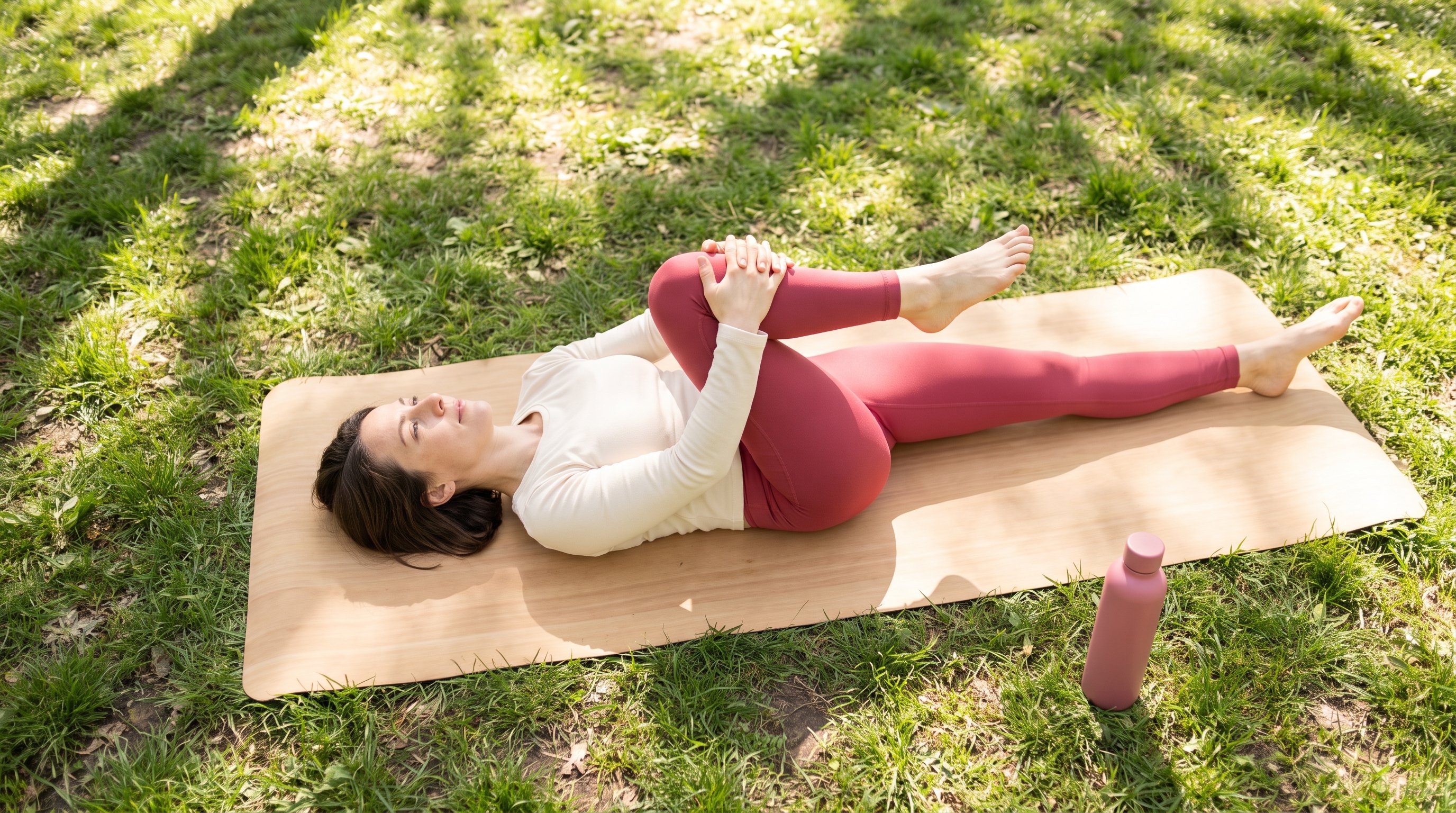
- Sunday - rest, or stretching only if the body feels stiff
None of these sessions need special kit or a gym floor, just a bit of floor space and a pair of trainers.
How Often Easy Movement Actually Needs to Happen
Finding a Frequency You Can Repeat
Most people do better with movement spread across five to six days rather than saved up for one long weekend session, because smaller doses are easier to keep showing up for.
| Goal | Frequency | Session Length |
|---|---|---|
| Build the habit | 5 to 6 days | 15 to 20 minutes |
| Add light strength | 2 to 3 days | 15 to 25 minutes |
| Support recovery | 1 to 2 days | 10 to 15 minutes |
| Longer walk | 1 day | 30 to 40 minutes |
Adjust the numbers up or down as the week allows, the table is a starting point, not a rule.
Why Easy Movement Beats Pushing Through Intense Workouts
Compare two approaches: three intense interval sessions a week, or six easy sessions spread across almost every day.
The intense plan burns more energy per session, but it's also the one people quietly stop doing after a sore week or a missed Monday.

The easy plan burns less per session but gets repeated far more often, and a smaller amount done consistently beats a bigger amount done occasionally.
Adherence is the whole game here, not intensity, because a session that never happens burns zero energy no matter how effective it would have been.
Fitting Daily Movement Into a Week Already Full
The easiest way to protect a movement habit is to attach it to something that already happens, a coffee break, a phone call, the walk to collect the kids.
Ten minutes before work and ten minutes after dinner adds up to twenty, without ever needing a dedicated hour.
Blood Diet keeps this simple by pairing short workouts and stretching routines with a tracker for steps, water and weight, so the whole picture sits in one place instead of scattered across memory.
Who Easy Movement Suits and How to Adjust It
If You're Just Starting Out
Begin with walking and stretching alone for the first week or two, then layer in light strength once the daily habit feels automatic.
If Your Week Is Packed
Shrink the session, not the frequency, ten minutes daily beats one long session you keep cancelling.
If You're Returning After a Break or Getting Older
Favour walking, stretching and seated or standing strength moves over anything with jumping or sudden direction changes, and build up slowly.
If You Already Train Hard Elsewhere
Use easy sessions on rest days to stay moving without adding fatigue, a short walk or a stretch flow works well here.
Where Most People Give Up on a New Routine
The drop-off point is usually around week two or three, right when the initial motivation fades and the routine hasn't become automatic yet.
Results from this kind of movement build slowly and unevenly, some weeks feel easier than others, and that's normal rather than a sign something's wrong.
Staying vague about exact timing is honest, because everyone's starting point, schedule and consistency differ, what matters more is whether the habit is still happening a month from now.
Making Gentle Exercise Part of Daily Blood Diet Use
A short walk or a stretch routine is easier to keep up when it's tracked alongside everything else rather than treated as a separate project.
Blood Diet brings together light workouts, guided meditations and progress tracking in one app, so a daily stretch session and a glass of water logged after breakfast live in the same place as the rest of the plan.
The motivating challenges inside the app are built to keep the habit visible day to day, which matters more than any single session ever will.

Eat Clean Every Day
Natural Weight Loss Plan
Starting a Routine You Can Actually Keep Going
Pick one short walk or stretch session and put it on tomorrow's calendar before the day gets away from you.
Blood Diet can hold the plan, the tracker and the reminder in one spot, which makes the second day easier than the first.
FAQ
It can contribute to the overall energy you burn across a week, especially when it's repeated most days rather than skipped. On its own it won't replace the role of what you eat, but it adds to the total.
Easy sessions burn less per minute than intense ones, but they get done far more often, which closes the gap over a week or a month. Something done consistently beats something ambitious that gets skipped.
Shrink the session to five or ten minutes rather than dropping it altogether, a short stretch after waking up still counts. Blood Diet's shorter workouts are built for exactly this kind of squeezed schedule.
The novelty of a new routine fades fast, and without a visible reminder it's easy to let a day slip into a week. Tracking the habit somewhere you'll actually see it, rather than relying on memory, tends to keep it going longer.
Share this post