Best Protein Sources For Weight Loss
By:Author:Blood Diet Editorial
Updated on:October 18, 2026
- Does Eating More Protein Actually Help You Lose Weight
- Lean Meat Versus Plant Protein for Weight Loss
- Why Everyday Protein Swaps Beat Strict Meal Rules
- Choosing Protein Sources for Your Own Situation
- Making Protein-Focused Eating Fit a Normal Week
- No Protein Source Burns Fat From One Body Part
- Turning Protein Choices Into a Plan With Blood Diet
- Picking Protein Sources You Will Actually Keep Eating
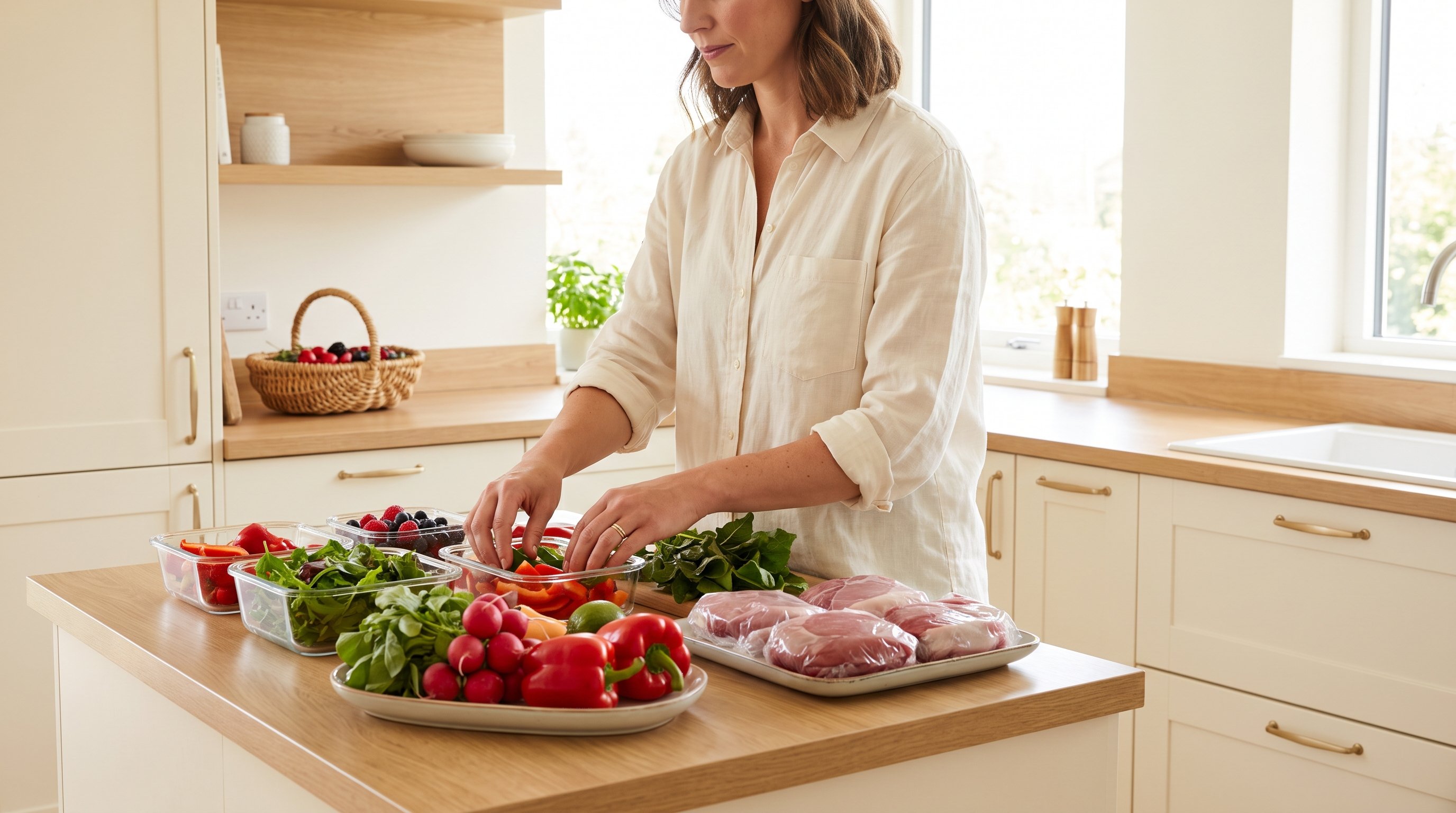
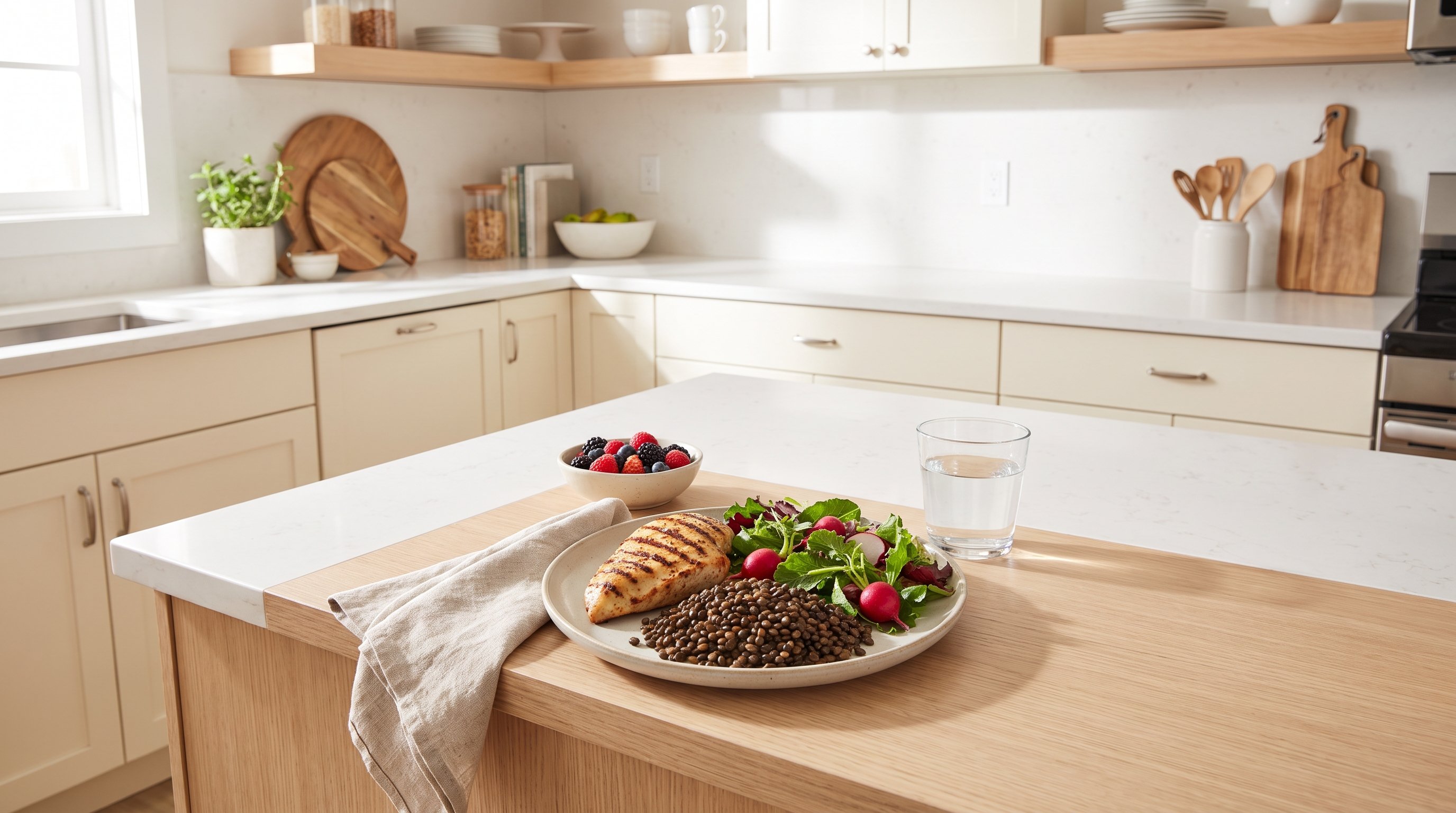
The best protein sources for weight loss are the ones that keep you full, fit your budget and show up on your plate often enough to matter - think eggs, chicken, fish, beans, lentils, tofu and plain yoghurt.
Protein takes more effort for the body to process than carbs or fat, and it tends to curb hunger better per calorie, so meals built around it make a calorie deficit easier to hold without constant hunger.
This guide covers how protein actually supports weight loss, a comparison of common sources, who needs to adjust the approach, and where people tend to go wrong.
Does Eating More Protein Actually Help You Lose Weight
Protein does not burn fat on its own - weight loss still comes down to eating fewer calories than you burn.
What protein does is make that deficit more bearable: it is more filling gram for gram than carbs or fat, and the body spends more energy digesting it, which means slightly more calories used just processing meals.
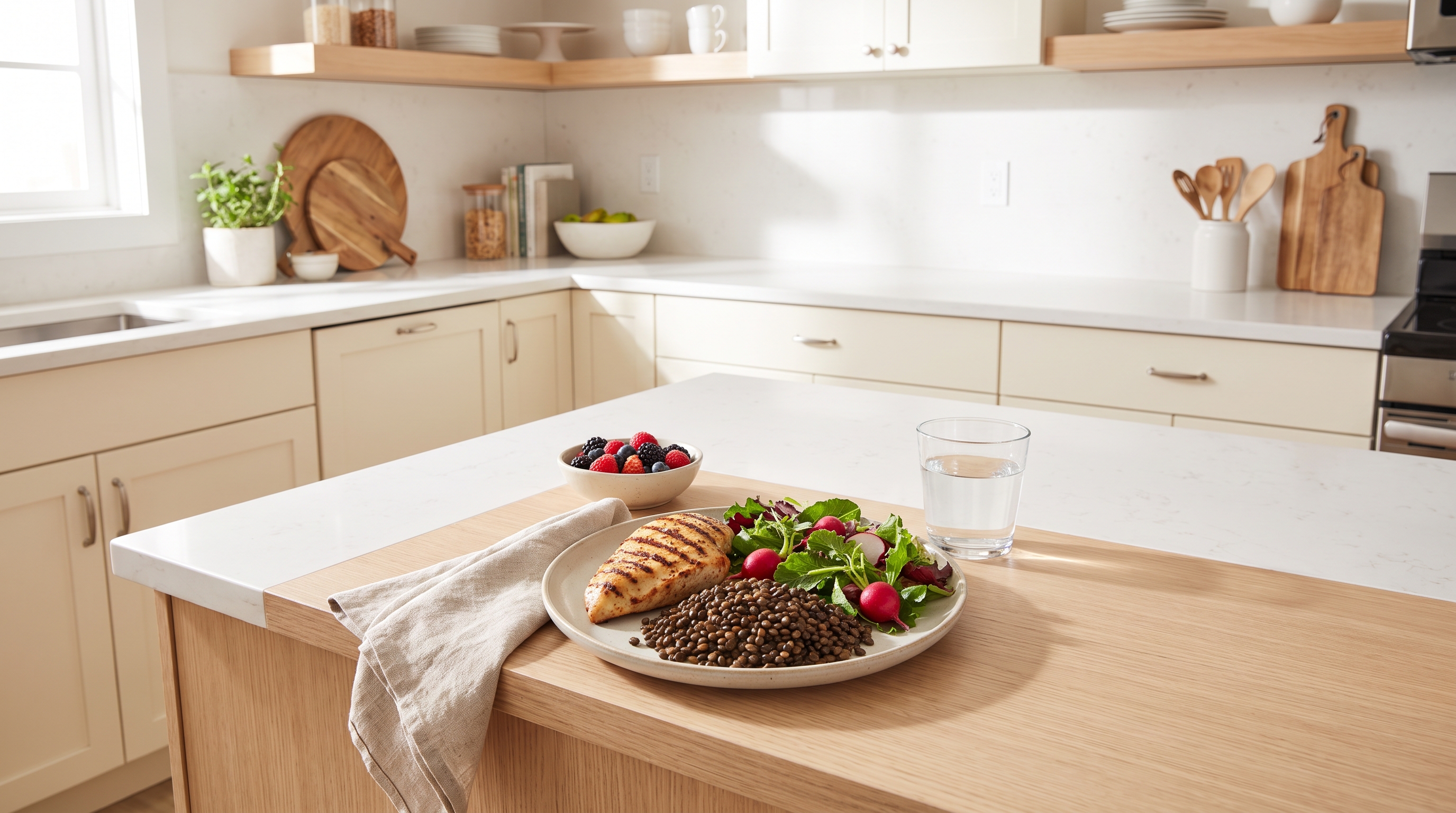
Say a packed lunch sits at 500 calories. A version built around 35g of protein - chicken, beans, a boiled egg - tends to carry you further into the afternoon than a 500-calorie lunch made mostly of white bread and sauce, simply because it digests slower and keeps you steadier.
That steadiness is the whole mechanism. Fewer snack attacks, fewer moments where hunger talks you into extra calories, and the deficit you planned on paper actually survives the day.
Lean Meat Versus Plant Protein for Weight Loss
Most people weighing up protein sources are really deciding between animal protein - chicken, fish, eggs, yoghurt - and plant protein - lentils, beans, tofu, chickpeas.
Neither one wins outright. Animal sources usually pack more protein per calorie, which suits anyone counting closely, while plant sources bring fibre along for the ride, which adds its own fullness on top of the protein.
| Source | Protein Density | Fibre | Cost | Prep Time |
|---|---|---|---|---|
| Chicken breast | High per calorie | None | Moderate | Quick |
| Lentils | Moderate per calorie | High | Low | Moderate |
| Eggs | High per calorie | None | Low | Very quick |
| Tofu | Moderate per calorie | Low | Low | Quick |
| Plain yoghurt | Moderate per calorie | None | Low | No prep |
In practice most people do best mixing both - a plan that leans only on meat gets expensive and repetitive, and one that leans only on legumes can be harder to hit protein targets without eating large volumes.
Why Everyday Protein Swaps Beat Strict Meal Rules
The harder alternative here is a rigid high-protein meal plan - fixed meals, fixed portions, little room to swap anything out.
It can work for a week or two, but rigid plans tend to fall apart the first time life gets in the way: a late meeting, a dinner out, a day you just do not feel like weighing chicken.
Swapping one lower-protein item for a higher-protein one - yoghurt instead of a pastry, lentil soup instead of plain noodle soup - asks far less of you and still moves the number in the same direction.
It is the difference between a rule you break once and abandon, and a habit you can keep doing on an ordinary Tuesday.
Choosing Protein Sources for Your Own Situation
If You Are New to Tracking Protein
Start with foods that need no scale - two eggs, a tin of beans, a pot of yoghurt - and build the habit of adding one protein item to each meal before worrying about exact grams.
If You Are Busy Most Weekdays
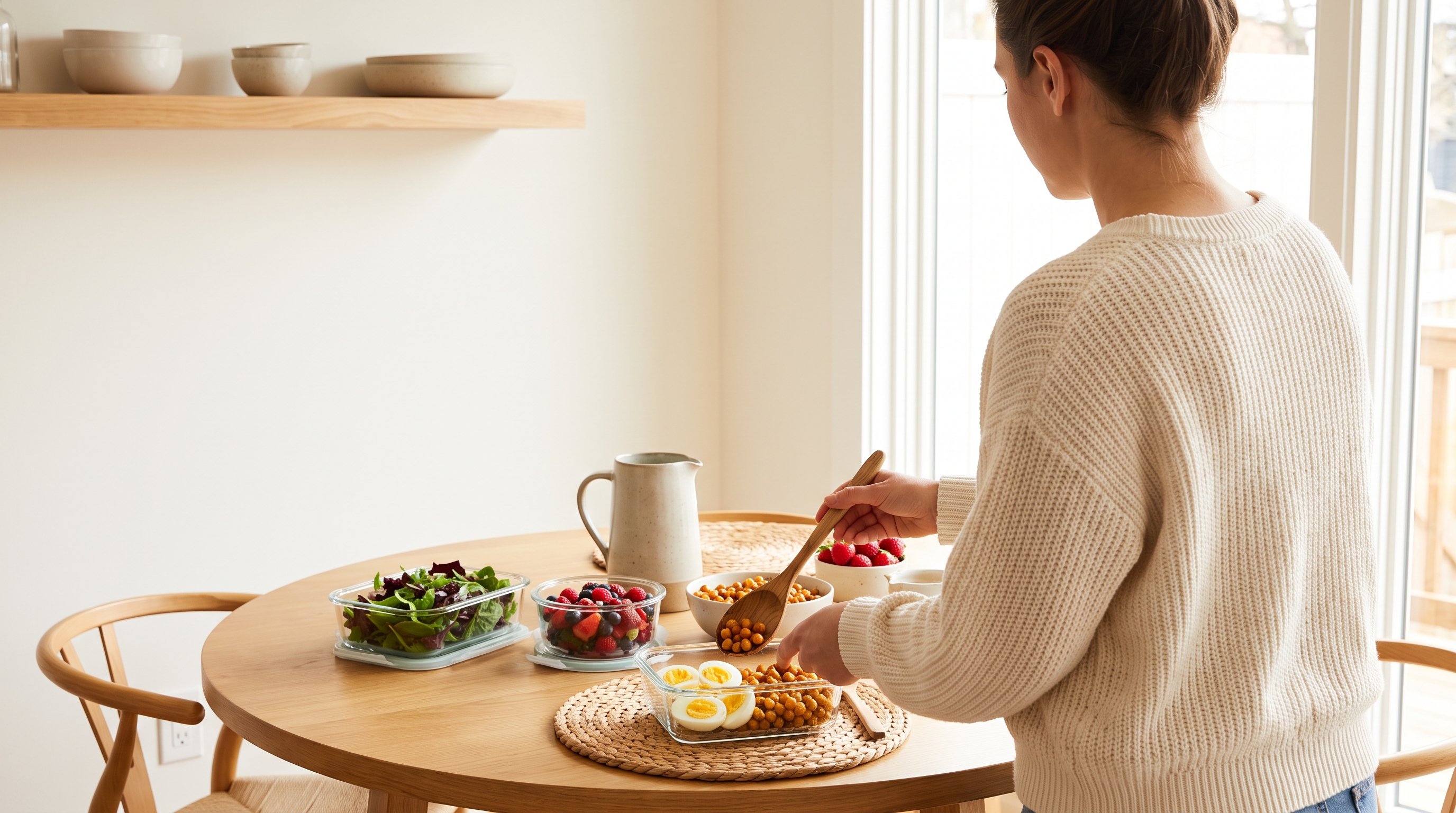
Lean on protein that needs no real cooking: tinned fish, pre-cooked chicken, cottage cheese, roasted chickpeas - all shelf-stable or fridge-ready with zero prep time.
If You Are Vegetarian or Vegan
Lean harder on volume and variety - lentils, tofu, tempeh, beans and chickpeas together across the day, since plant sources on their own tend to be less protein-dense than meat or eggs.
If You Are Older and Managing Appetite Changes
Smaller, more frequent protein-containing meals tend to be easier to manage than three large ones, so something like yoghurt or eggs between main meals can help hit the same daily total.
Making Protein-Focused Eating Fit a Normal Week
None of this needs a special shopping list or a kitchen overhaul - it is mostly about which jar, tin or container you reach for first.
Keep a couple of protein staples visible and ready - boiled eggs in the fridge, a tin of beans in the cupboard - so the easy choice is also the quick one.
Blood Diet builds this into its meal plans rather than leaving it to guesswork, pairing protein-forward recipes with a tracker for water, weight and steps so the whole week stays visible in one place, not spread across memory and willpower.
No Protein Source Burns Fat From One Body Part
The idea that eating more chicken or less bread will trim a belly or slim down thighs specifically does not hold up - the body does not let you choose where fat comes from.
Fat loss happens across the whole body, in a pattern that is mostly down to genetics, not diet choices.

What protein can honestly do is make the overall deficit easier to sustain, and a sustained deficit is what eventually changes how you look - everywhere, not in one chosen spot.
Turning Protein Choices Into a Plan With Blood Diet
Picking good protein sources is one decision - repeating that decision at every meal, every week, is the part that actually changes anything.
Blood Diet takes the guesswork out of that repetition with a meal plan built around food you already like, drawn from over 1000 blood type based recipes, so protein-forward meals show up by default instead of requiring a new decision every day.
Alongside the meal plans sit light workouts, guided meditations and progress tracking, so the eating side of weight loss is not carrying the whole plan on its own.
Eat Clean Every Day
Natural Weight Loss Plan
Picking Protein Sources You Will Actually Keep Eating
The best protein source on paper is useless if it sits in the back of the fridge until it spoils - the real best option is whichever one you will actually eat again next week.
Pick two or three sources from this guide, put them somewhere visible, and let Blood Diet handle the rest of the meal planning around them.
FAQ
There is no single number that fits everyone, since it depends on body size, activity and overall calorie target. A reasonable starting point is adding a protein source to every meal and adjusting from there based on hunger and progress.
No - lentils, beans, tofu and chickpeas can all contribute meaningful protein, just usually in larger portions than meat or fish. A mix of plant and animal sources tends to be the easiest way to hit a target without relying on one food group.
Eggs, tinned fish, lentils and dried beans are among the cheapest protein sources available and need no special equipment to prepare. Buying dried or tinned versions over fresh cuts of meat usually keeps the cost down without dropping the protein.
Usually it is not the protein that fails - it is the plan around it getting repetitive or hard to keep up with alongside a busy week. Blood Diet keeps the variety going with a large recipe library and built-in tracking, so the habit has less chance to quietly fade out.
Share this post