12-3-30 Workout: A Realistic Guide To The Treadmill Routine
By:Author:Blood Diet Editorial
Updated on:October 18, 2026
- What a Week on the Incline Walking Routine Looks Like
- How Often the Incline Walking Workout Actually Needs Doing
- Why Incline Walking Beats High-Intensity Interval Training
- Making Room for Incline Walking in a Packed Week
- Who the Incline Walking Workout Suits Best
- Where Most People Quit the Incline Walking Routine
- Pairing Incline Walking With Blood Diet
- Starting Your Own Incline Walking Routine
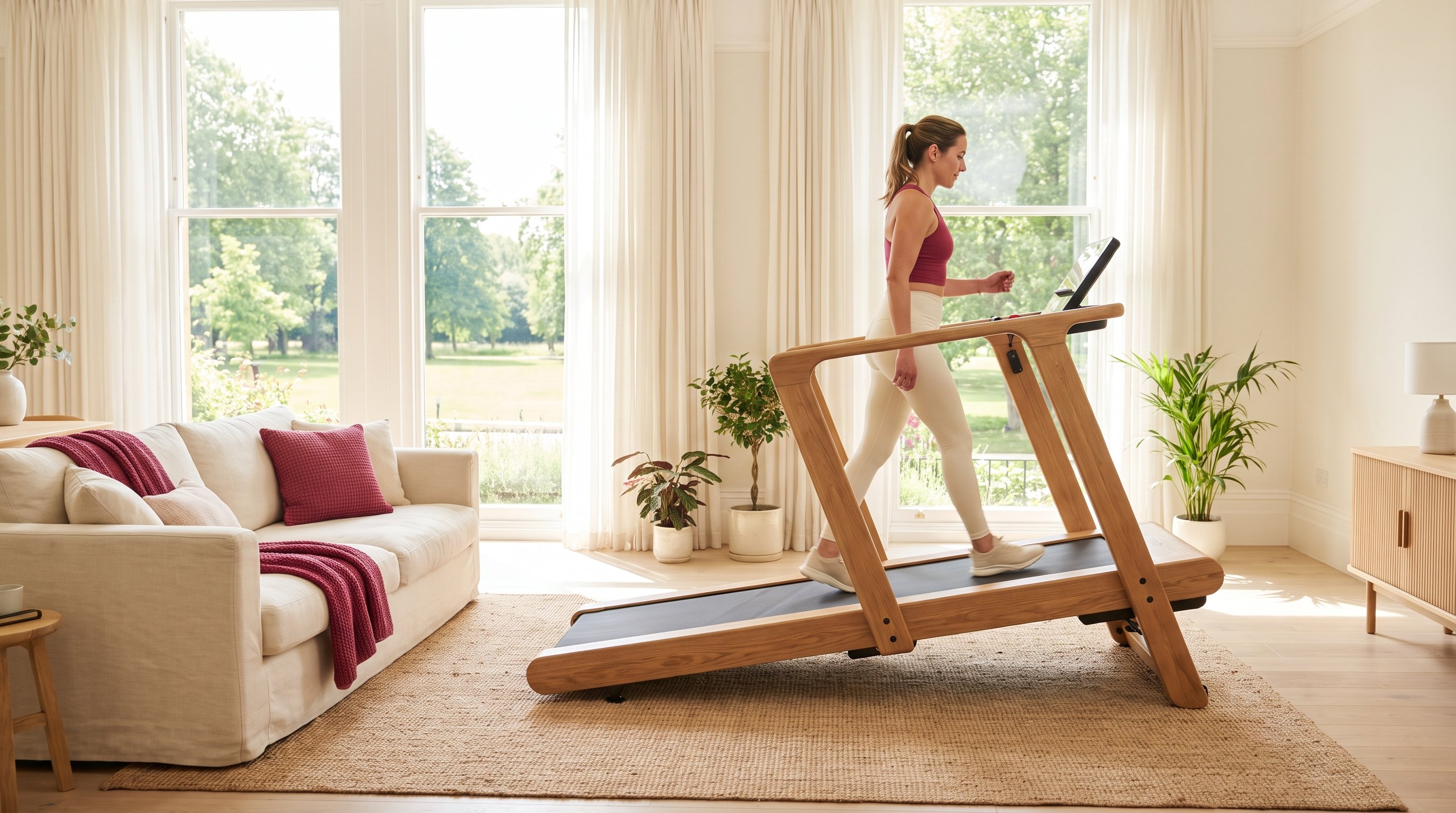
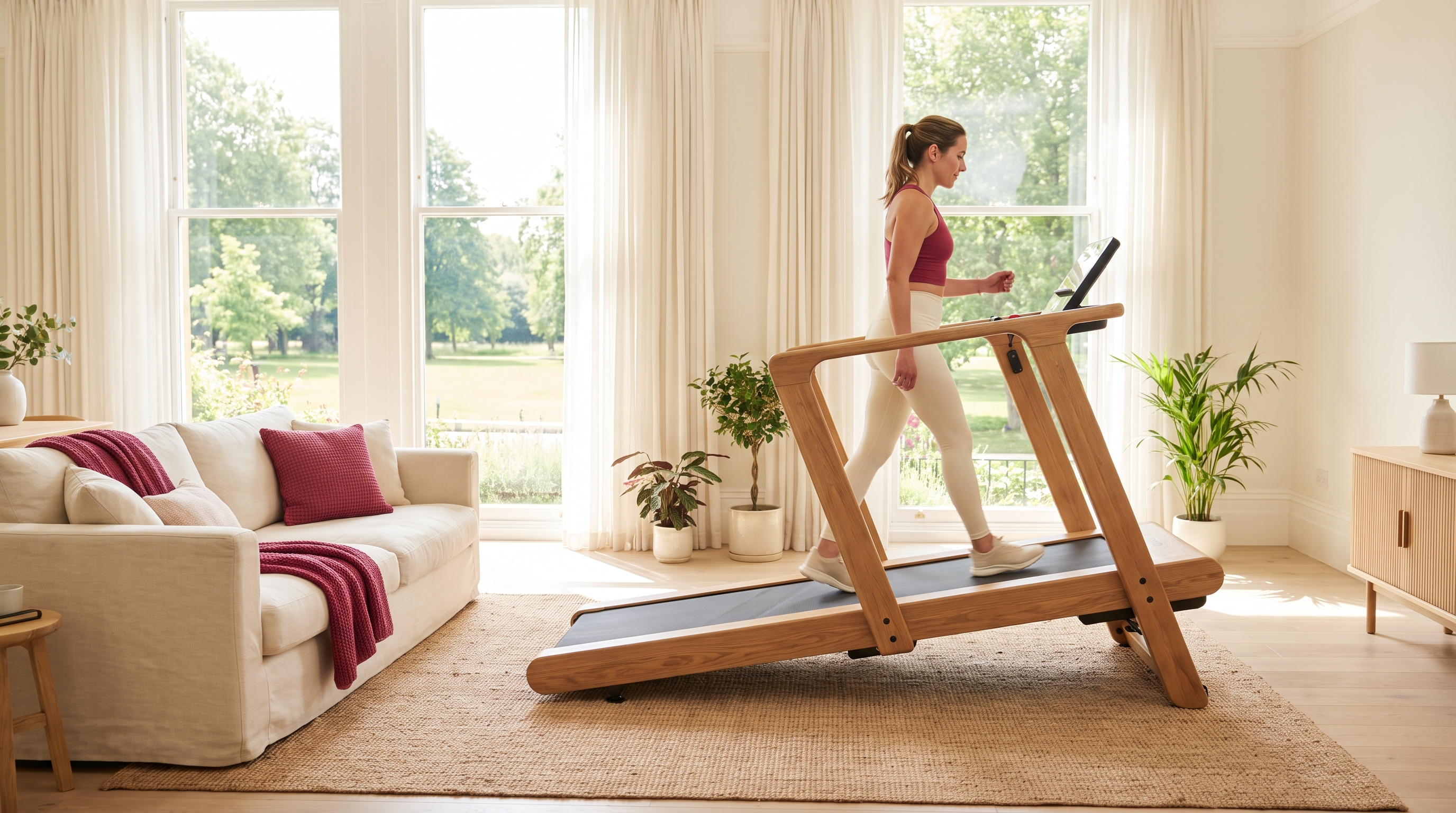
The 12-3-30 workout involves walking on a treadmill with an incline, at a moderate pace, for 30 minutes. It's popular because it asks for no skill, no equipment beyond a treadmill, and no previous fitness base to start.
The incline is what makes it work harder than flat walking. Raising the grade forces your legs and lungs to do more per minute without you having to run, which means a bigger calorie burn for the same amount of time on your feet.
This article covers what a week of incline walking looks like, how often to do it, why it tends to stick better than harder cardio, and how to fit it into a week that's already full.
What a Week on the Incline Walking Routine Looks Like
There's no need to overhaul a whole week to try this. Most people slot it in three to five times, with rest or light movement filling the other days.
A Sample Week
- Monday - 30 minutes at an inclined setting, moderate pace
- Tuesday - rest or a short walk outdoors
- Wednesday - 30 minutes at an inclined setting, moderate pace
- Thursday - rest or light stretching
- Friday - 30 minutes at an inclined setting, moderate pace
- Saturday - optional session if energy allows
- Sunday - rest
That's three sessions a week to start, with room to add a fourth or fifth once the incline feels manageable rather than punishing.
How Often the Incline Walking Workout Actually Needs Doing
Frequency That Fits Most Schedules
Three sessions a week is enough to build a habit without your legs feeling wrecked every day. Some people work up to five, but that's a progression, not a starting requirement.
| Stage | Sessions | Notes |
|---|---|---|
| Just starting | 2 to 3 per week | Start with a lower incline |
| A few weeks in | 3 to 4 per week | Increase incline and pace gradually |
| Comfortable | 4 to 5 per week | Add a rest day if sore |
| Time-limited | 2 per week | Pair with daily steps instead |
There's no fixed rule here, only a starting point that most people can hold without dreading the treadmill by Thursday.
Why Incline Walking Beats High-Intensity Interval Training
High-intensity interval training burns calories fast, but it asks a lot: sprint efforts, recovery periods, and a tolerance for discomfort that not everyone wants on a Tuesday evening. Incline walking asks for none of that.
You walk. The incline does the work of raising your heart rate, so you get a harder session without the mental hurdle of pushing through sprints.
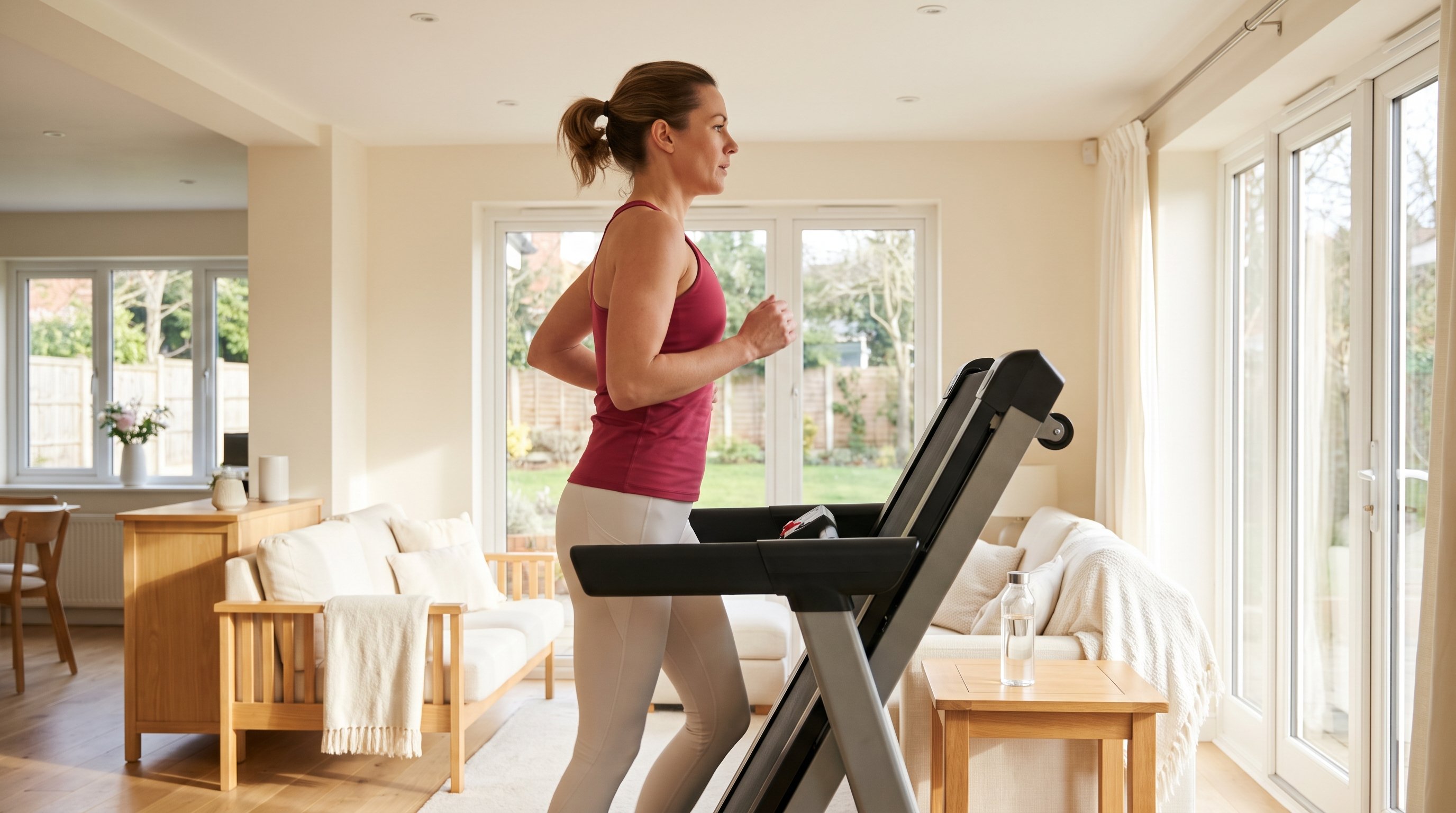
The deficit that drives weight loss comes from showing up consistently, not from how brutal a single session feels. A 30-minute walk you'll actually repeat three times a week beats an interval session you dread and skip.
Making Room for Incline Walking in a Packed Week
Thirty minutes is easier to find than an hour, which is part of why this routine survives busy weeks when longer gym sessions don't. It also works well stacked onto something you're already doing, like watching something or catching up on calls.
Blood Diet's workout library includes simple sessions like this one alongside a tailored meal plan, so the walking habit and the eating habit can sit in the same place instead of being tracked separately.
If a full treadmill session doesn't fit some days, a shorter version at the same incline still counts for something, and keeping a trackable record of what you actually did matters more than hitting 30 minutes every single time.
Who the Incline Walking Workout Suits Best
Beginners to Structured Cardio
If running feels like too much too soon, incline walking gives a harder-than-flat-walking option without the impact. The fixed routine also removes the guesswork of deciding how hard to push.
Busy People Who Want a Fixed Routine
Thirty minutes at the same settings every time means no planning required once the habit is set. There's nothing to think about beyond pressing start.
Older Adults Easing Into Cardio
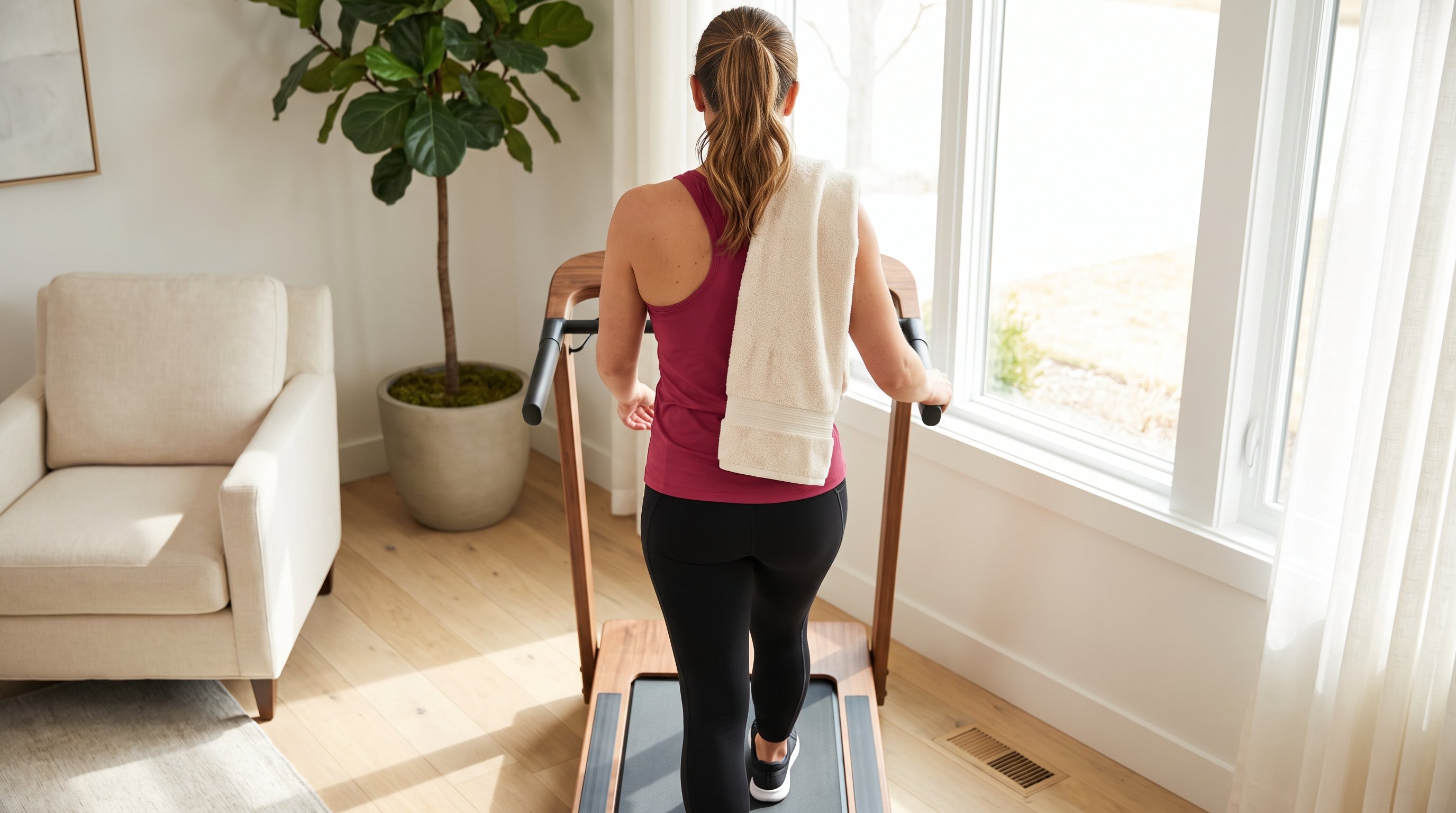
Walking is lower impact on joints than running. You can adjust the incline to a level that feels comfortable while still creating a challenging workout. Building up the grade slowly keeps the session sustainable rather than discouraging.
Anyone Recovering From a Long Break
If cardio has been off the table for a while, starting at a lower incline and lower speed, then working toward a full routine, is a reasonable way back in. There's no need to hit the full intensity on day one.
Where Most People Quit the Incline Walking Routine
The drop-off point is usually around the second or third week, once the novelty fades and the treadmill starts to feel like a chore rather than a challenge. That's a normal stage, not a sign the routine has stopped working.
Expect progress to feel slow at first and don't attach it to a specific week or number on the scale. The habit matters more in month two than the intensity does in week one, and consistency is what carries it past the point where people usually stop.
Pairing Incline Walking With Blood Diet
A treadmill habit works best alongside eating that doesn't fight against it. Blood Diet pairs a tailored nutrition plan with a library of 100+ workouts and exercises, so an incline walking session can sit next to a meal plan built around food you already like.
The app also keeps step counts, water intake and weight in one place, which makes it easier to see whether the treadmill habit is actually holding steady across weeks rather than just feeling that way.
Eat Clean Every Day
Natural Weight Loss Plan
Starting Your Own Incline Walking Routine
Pick three days this week and walk on a treadmill at an inclined setting at a moderate pace for 30 minutes. That's the whole routine, and the only real decision left is whether to repeat it next week.
Blood Diet can sit alongside that habit with a meal plan, progress tracker and a wider set of workouts for the days a treadmill isn't available.
FAQ
It can contribute to a calorie deficit because the incline raises effort compared with flat walking, and a deficit is what weight loss depends on. It works alongside eating habits, not instead of them.
Flat walking at an easy pace is gentle, but adding an incline changes that considerably because your legs and lungs have to work much harder to cover the same distance. The incline is doing the heavy lifting, not the speed.
The routine doesn't need daily access, two or three sessions a week on a treadmill plus regular walking elsewhere still adds up. Blood Diet's workout library also has non-treadmill options for the days a machine isn't free.
Lower the incline or the time and build up gradually rather than forcing the full settings from day one. A shorter, easier version done consistently beats a harder version that gets abandoned after a week.
Share this post